
So, you’re planning your dream trip to the Island of the Gods and you’re imagining those lush rice terraces, vibrant festivals and pristine beaches.
But amidst the excitement, a practical question keeps bubbling under – should I avoid drinking tap water in Bali, or is it safe to drink?
For first-time visitors to this part of Asia, especially those unfamiliar with the region’s basic infrastructure, understanding water safety is going to be crucial to enjoying a healthy and safe trip.
Our guide will talk you through the things you need to know about (not) drinking tap water in Bali and some practical tips to keep you safely hydrated on this paradise island.
Why Tap Water Is Not Safe To Drink In Bali
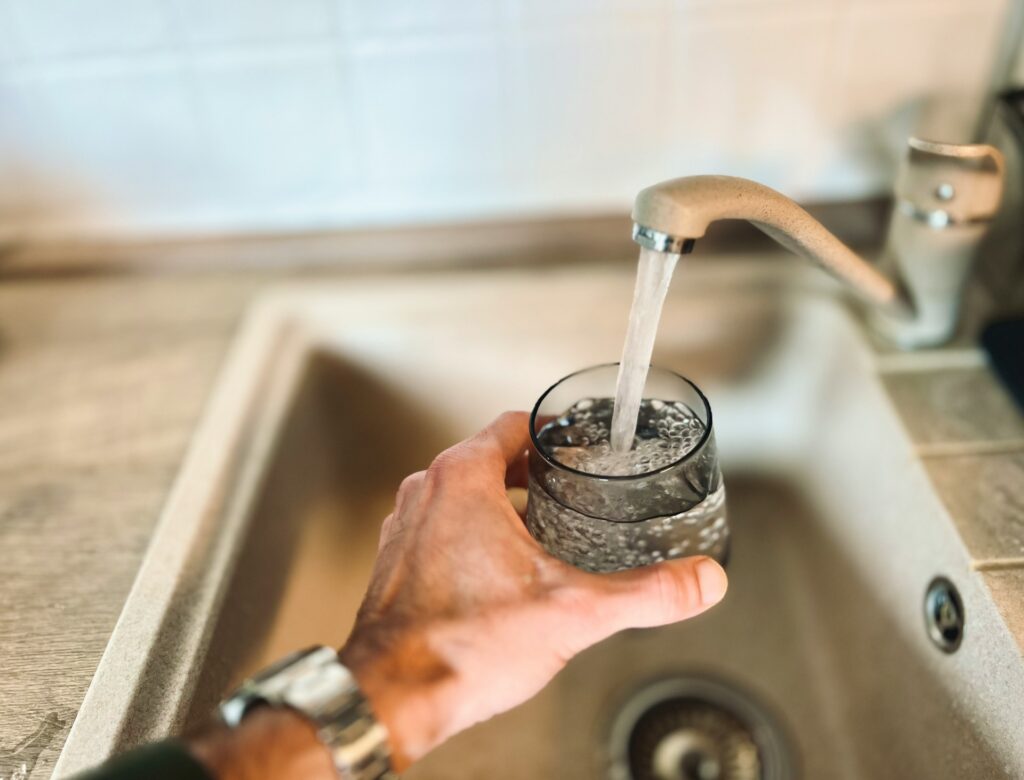
We need to be blunt about this. Drinking tap water in Bali is a bad idea. You should not drink tap water because it’s not safe for consumption.
The island’s water supply faces some challenges that make tap water unreliable for drinking. Unlike in more developed Asian nations such as Japan, Singapore or Brunei, Bali’s tap water does not meet stringent international standards, and its infrastructure lags behind those places.
This is why you don’t drink Bali water from the tap:
Inadequate Purification Processes
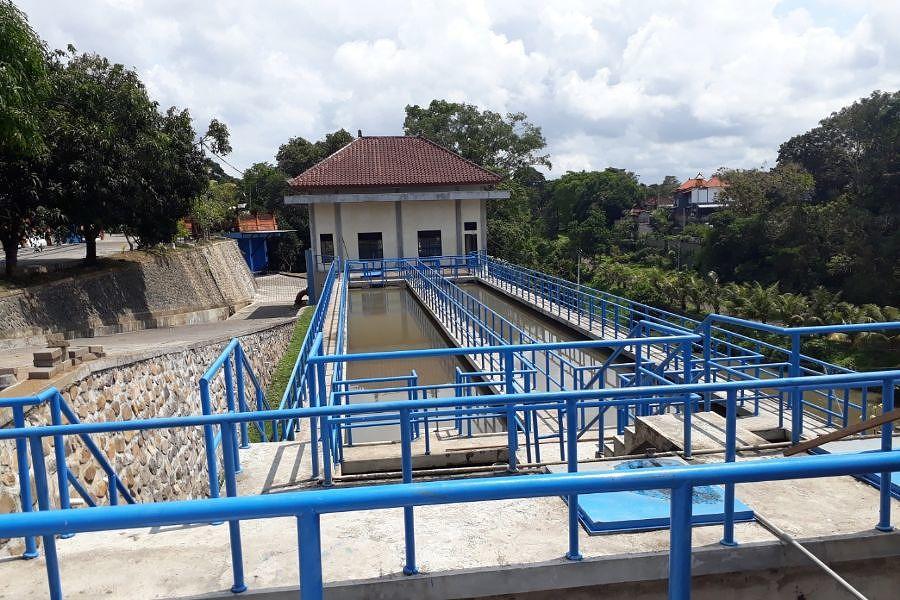
Bali’s tap water is managed by local companies, including PDAM (Perusahhan Daerah Air Minum), and it’s sourced from the rivers, lakes and reservoirs on the island, such as Lake Batur and the River Ayung.
It’s not fair to say that Bali’s tap water is entirely untreated, but it’s simply not sufficient to remove all the harmful bacteria, heavy metals, protozoans, etc. that can be in the water.
That means Bali’s tap water is contaminated tap water. It sometimes leaves the treatment plants ready to drink, but by the time it arrives in your accommodation, it’s passed through outdated and poorly maintained pipes, which have reintroduced a bunch of additional contaminants such as bacteria, sediment and heavy metals.
Contamination Risks
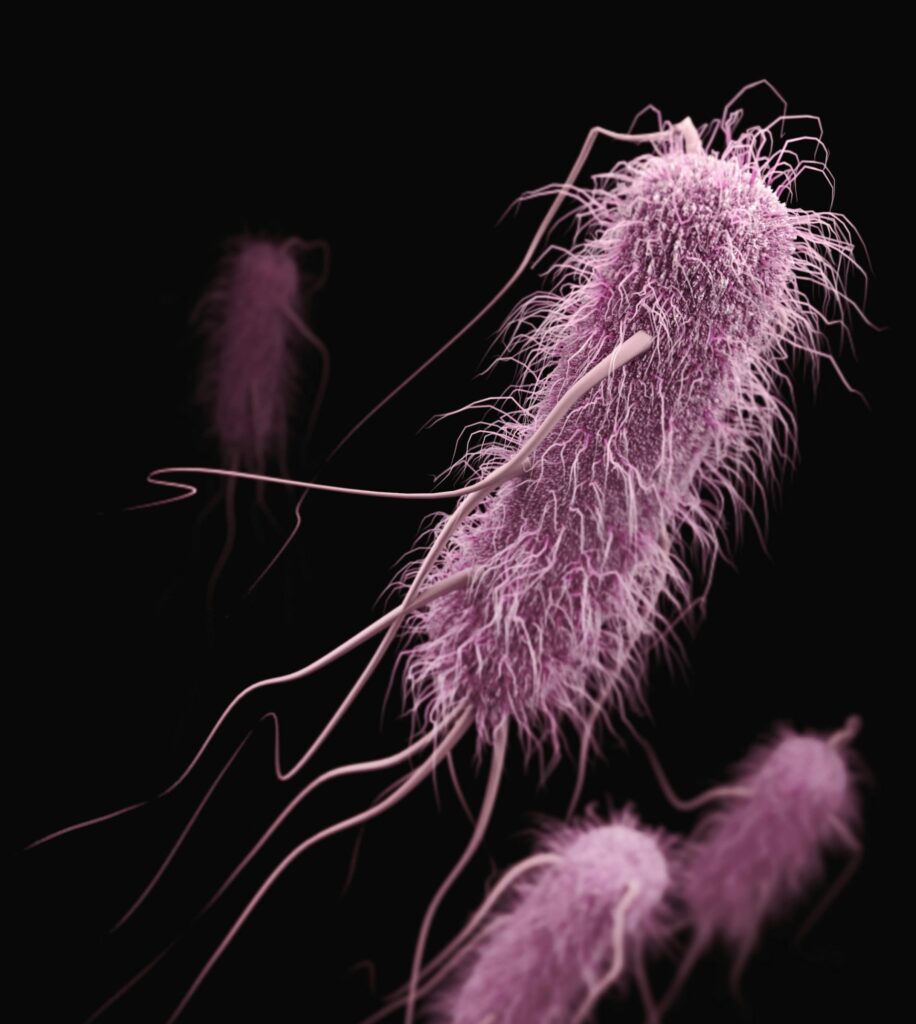
Bali’s water sources are very vulnerable to pollution. Particularly from agricultural runoff, domestic sewage and industrial effluent.
Heavy rainfall is common in the tropical climate of Bali, and it exacerbates the problem by washing the contaminants into the rivers and groundwater. And poor sanitation in some parts of the island can mean that pathogens such as E.coli, Salmonella, Giardia, and even viruses such as Hepatitis A may find their way into the water supply too.
Bali Belly And Health Risks
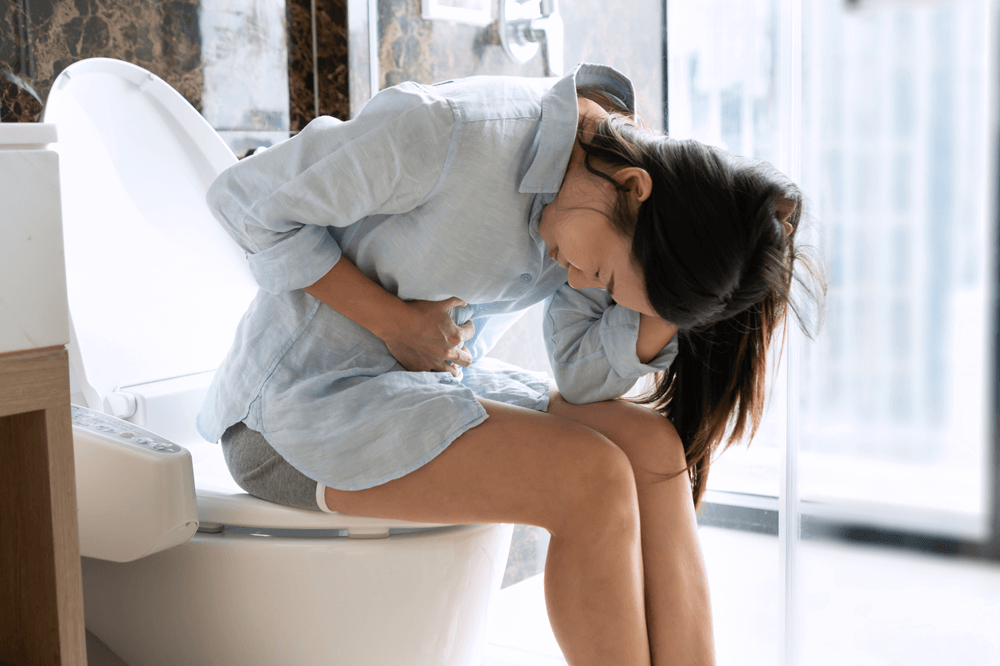
The infamous Bali Belly is a term for traveller’s diarrhea, and it’s a common concern for visitors to the island. It’s characterised by nausea, stomach cramps, diarrhea and sometimes fever, and it’s often linked to people who drink tap water in Bali or consume contaminated food. This can be caused by washing food in tap water, and travellers who aren’t used to the local bacteria on the island can easily get Bali Belly if they drink tap water, even in the smallest quantities, such as when they brush their teeth or wash an unpeeled fruit.
Regional Variations
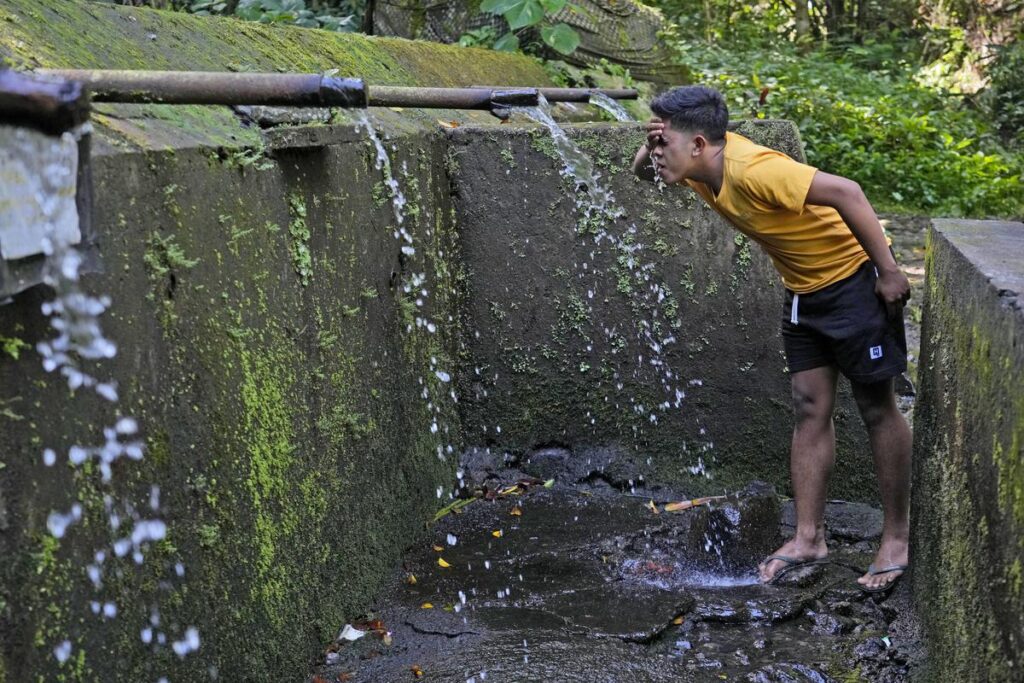
Water quality isn’t consistent in Bali. Urban areas such as Kuta and Denpasar often have more contaminated water due to their considerable populations and outdated plumbing systems. In contrast, some rural areas have much cleaner well water, but it’s still not a good idea to drink from these sources without some kind of treatment due to their possible proximity to septic systems or saltwater intrusion.
It’s for the reasons above that both locals and seasoned travellers don’t drink Bali’s tap water. Yes, even many Balinese people rely on drinking bottled water or boiling tap water before they drink. As a visitor, we’d urge you to err on the side of caution when it comes to tap water and avoid any potential risks to your health that could upset your holiday.
What About Brushing Teeth Or Taking A Shower?
You’re probably wondering if tap water in Bali is safe for other uses like brushing your teeth or for showering. Here’s what you need to know:
Brushing Teeth
Using tap water to brush your teeth is generally low-risk if you don’t swallow any of it. However, if you’re a first timer on the island or you have a sensitive stomach, we’d avoid brushing your teeth with tap water.
Use bottled water or, at a push, boiling tap water to reduce the chances of you ingesting any harmful contaminants. It’s not worth getting Bali Belly from the tap water in Bali.
Showering And Washing
You can safely shower in the tap water and even wash your face in tap water as long as you keep your mouth firmly closed and keep the water out of your eyes.
However, some travellers say that the local tap water in Bali can dry out your hair and make it frizzy due to the high mineral content and poor quality of the water. It can help to use a good conditioner on your hair to avoid this.
For washing dishes, tap water will be fine as long as you use soap, and ensure that everything is thoroughly dried before you use it. However, for baby bottles and other sensitive items, use bottled water or boiling water.
Safe Alternatives To Tap Water In Bali
You’re going to need to drink some water to stay hydrated in the tropical sun of Bali, but that means relying on safe water sources. Here are your best options:
Bottled Water
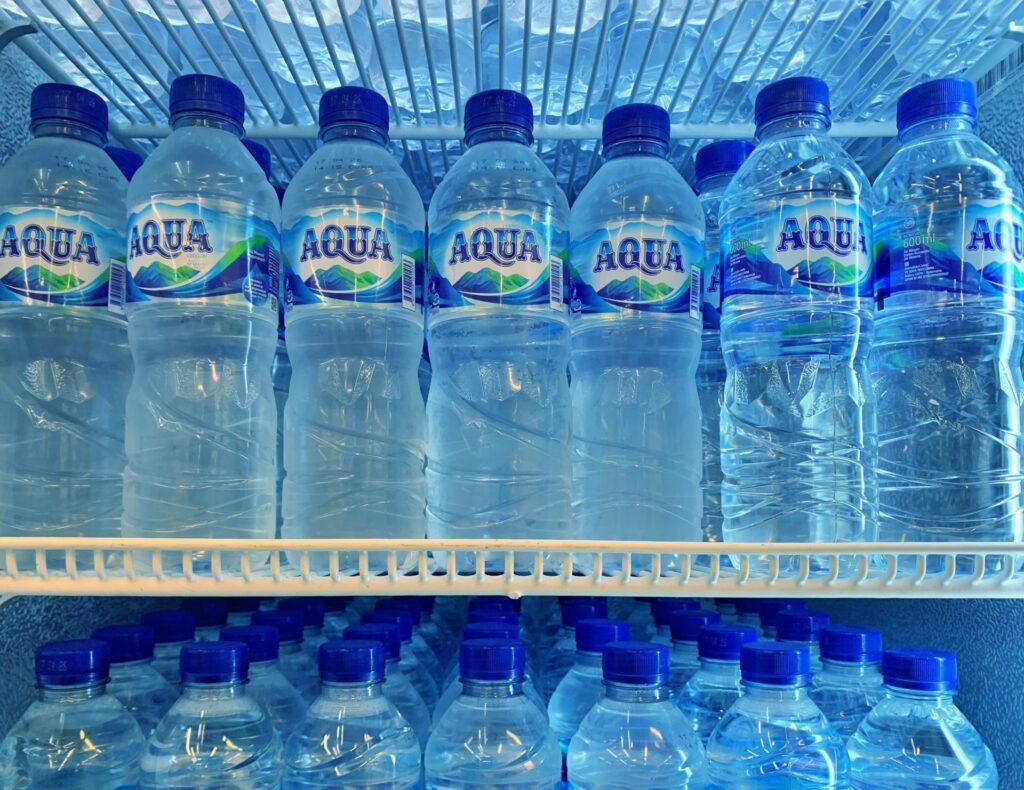
Bottled water is, by far, the safest and most reliable water on the island. Brands like Aqua, Cleo and Balian are all reliable and useful. You should check the seal to ensure that the bottle hasn’t been tampered with.
It’s affordable and sold at convenience stores, supermarkets, and even by the road in some places. Many hotels and villas provide free bottled water for their guests.
Filtered Water
Some high-end hotels, restaurants, cafes, villas, etc. in Bali use advanced filtration systems to provide drinkable water.
You can ask about the process they use to determine if it meets your standards.
Alternatively, you can invest in a portable water filter or purifier such as a SteriPEN or TAPP Water Ultra Filter. These can remove bacteria, viruses, and even some chemicals, and they’re more eco-friendly than bottled water as they reduce plastic waste.
Ice cubes in Bali are almost always made with filtered water, and you should have no reservations about ice cubes in your drinks, particularly at high-end establishments.
Water Purification Tablets And UV Water Purifiers
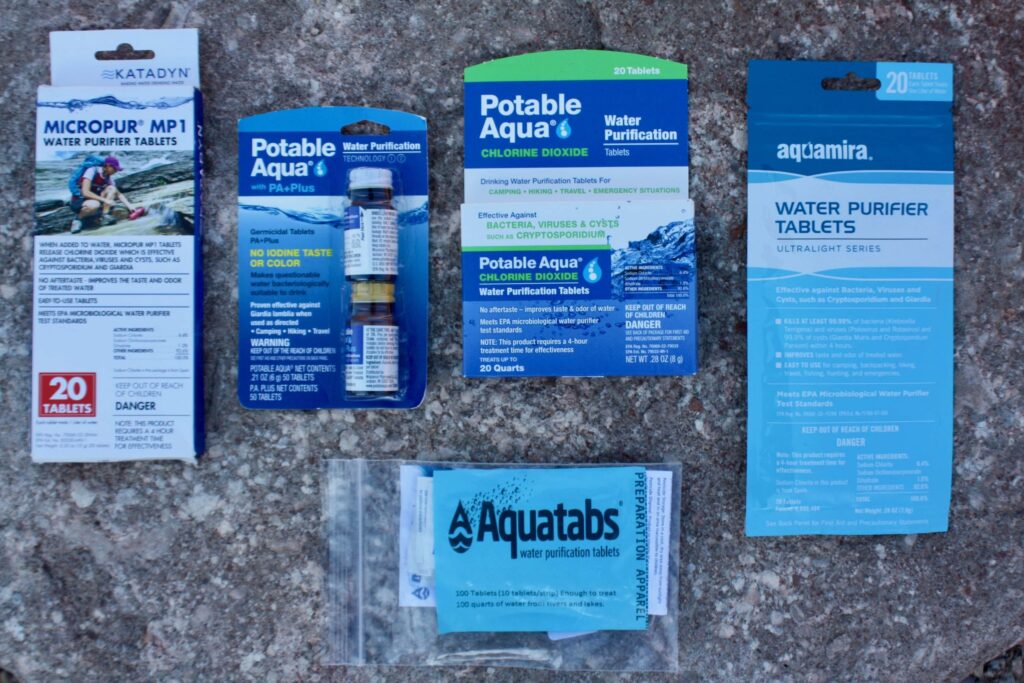
If you’re really committed to saving the planet, you may opt for UV purification water bottle filters or even use purification tablets. These are lightweight and will easily fit in a backpack if you intend to visit a remote area where you need to drink plenty of water but aren’t sure that bottled water will be practical.
Boiled Water
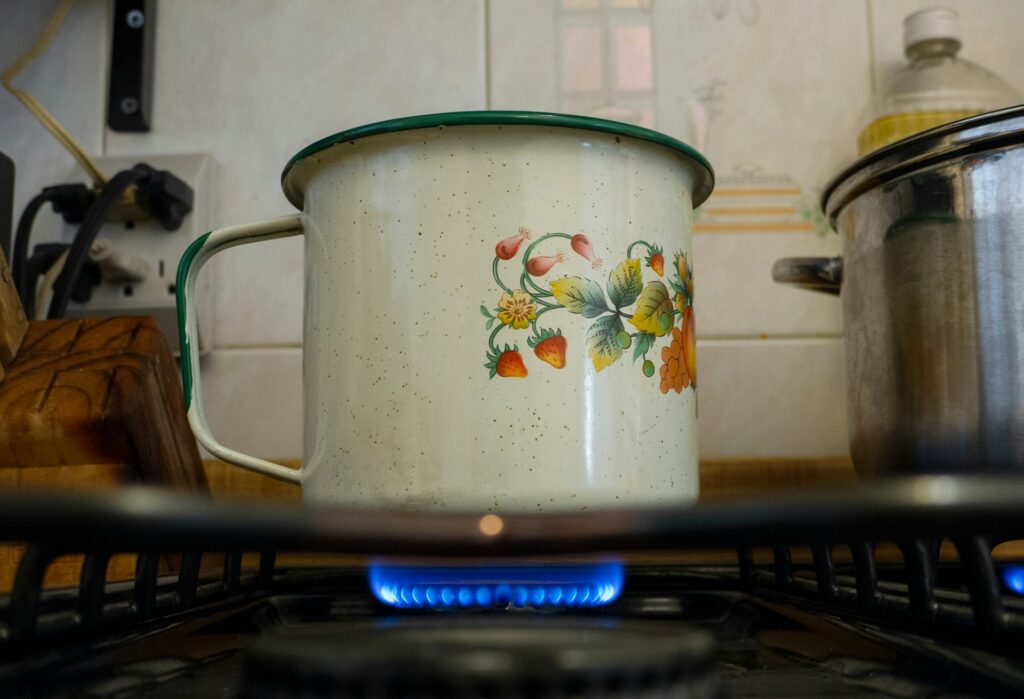
Boiling water for 1-3 minutes will kill most bacteria and pathogens, which will make the Bali tap water a bit safer to drink. However, Bali tap water also contains heavy metals and chemical contaminants, which won’t be affected by boiling water at all. It’s not foolproof, and really, if you want to use boiled water instead of bottled water, we’d recommend doing it for only very short periods of time.
Safe Beverages
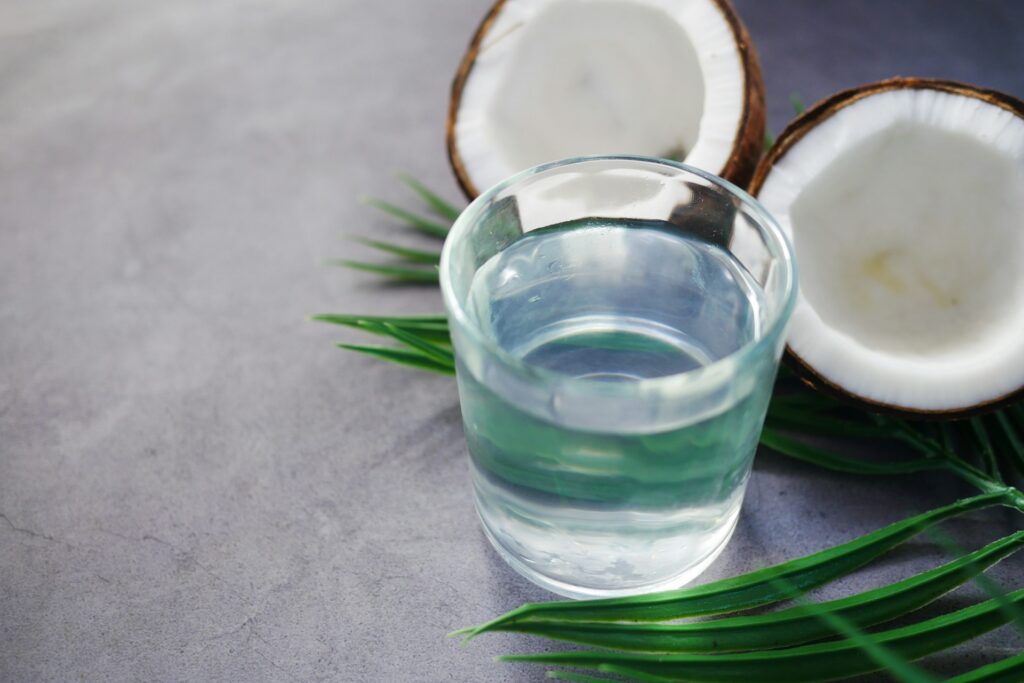
There are plenty of other drinks in Bali that aren’t water that you can drink to stay hydrated. Bottled juices, coconut water, big-name branded canned/bottle drinks such as Coca-Cola, Red Bull and Nescafe.
Tips To Avoid Bali Belly
If you’re worried about Bali Belly and tap water in Bali, we’ve got some simple tips to help you reduce your exposure to any risk:
Choose Reputable Establishments

It’s much better to dine in big-name establishments like FINNS Beach Club than in street food warungs.
The big places have higher hygiene standards, will use purified water to cook with, wash produce in purified water and the ice cubes are guaranteed to be safe too.
Be Cautious With Produce
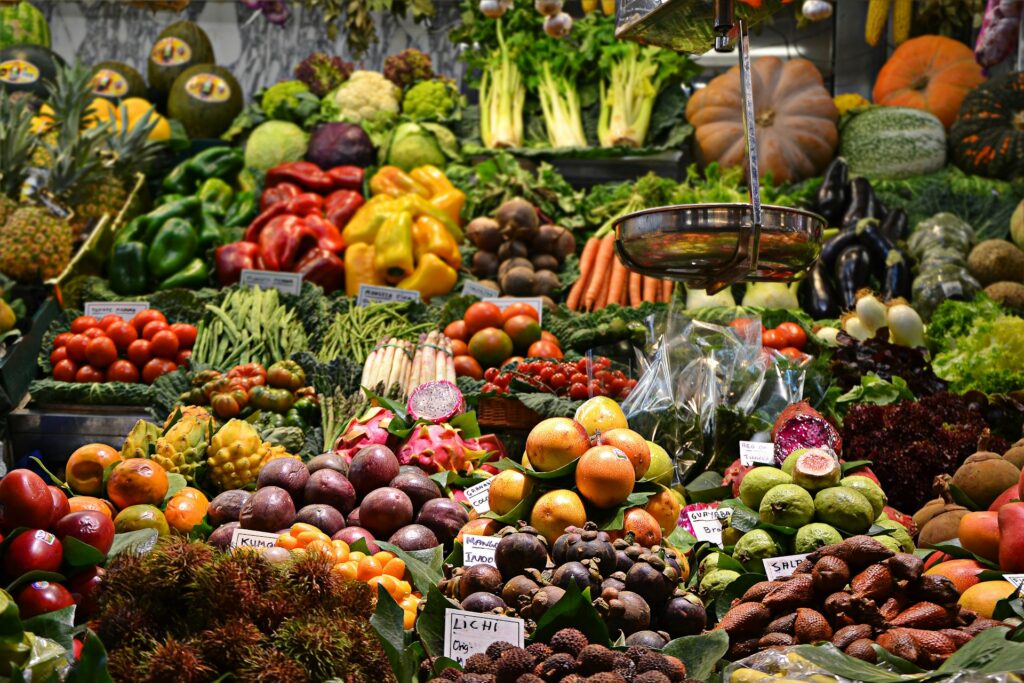
Fruit and vegetables washed using tap water in Bali will carry contaminants. So, opt for fruits you can peel yourself or which you can wash yourself with bottled water. Avoid pre-cut fruits at the market, which may have been washed in Bali water.
Carry A Reusable Water Bottle
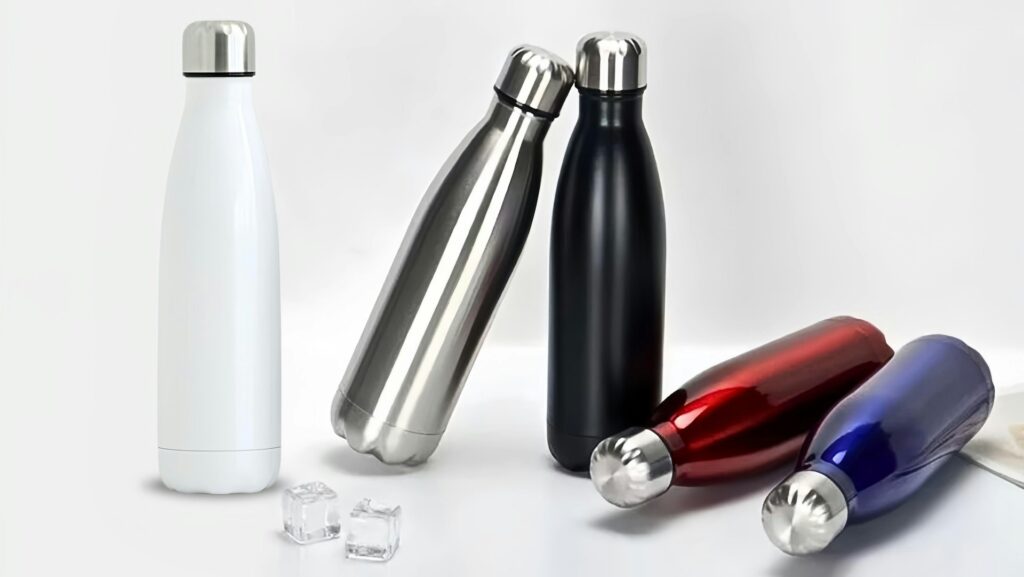
Bali’s businesses often have bottled water on tap, from dispensers, and they are happy to let you use a reusable water bottle to get free water. It’s part of the island’s efforts to combat plastic pollution.
Monitor Your Health
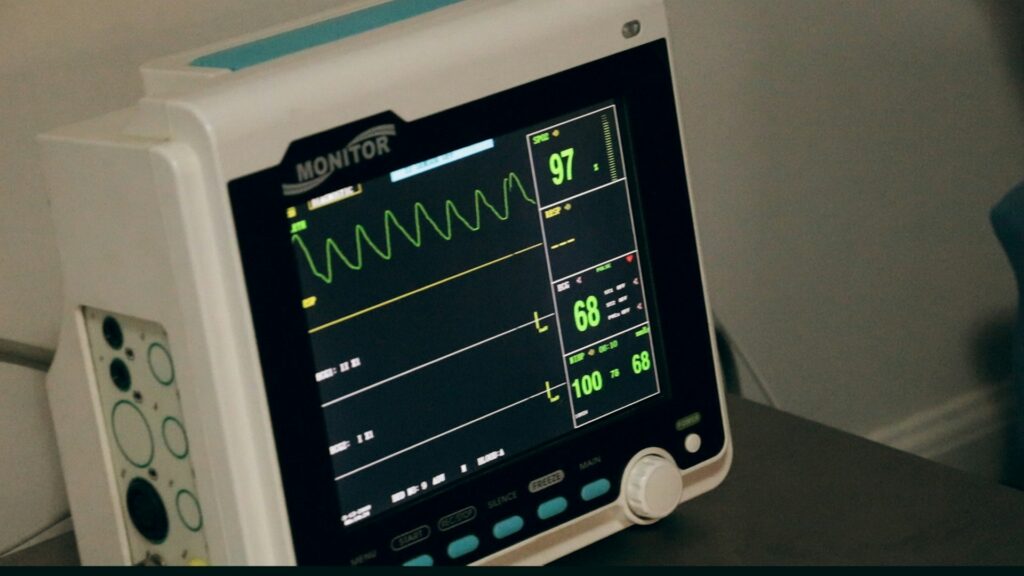
If you do accidentally drink tap water in Bali, don’t panic. The Bali Belly is not guaranteed. Stay hydrated, keep drinking bottled water, avoid alcohol and caffeine and watch for symptoms of Bali Belly. If they do arrive, make sure to treat the symptoms and if they get worse, seek medical care.
Consider Travel Insurance

It’s always a good idea to have travel insurance in Bali as medical attention can be quite expensive. It provides peace of mind in situations where you get sick or have an accident.
Environmental Considerations
We should note that Bali faces a significant plastic pollution problem. Rivers and beaches can end up littered with single-use water bottles. Bottled water is good drinking water, but it’s not ideal for the ecosystem.
So, if you can carry a reusable water bottle in Bali and refill it as needed in this popular holiday destination, then you can help keep the island safe for future generations.
FAQs
Can You Drink Tap Water In Bali Resorts?
Only if the resort specifically offers filtered tap water and you are happy with the level of filtration provided by the resort.
In general, we’d stick to bottled water unless we were 100% confident that the filtration process was removing all possible contaminants. It’s not worth risking Bali Belly for such a trivial thing.
Can I Wash My Face With Tap Water In Bali?
Yes, you can wash your face with tap water in Bali. However, we’d encourage you to keep the water out of your eyes and to keep your mouth fully closed while you wash.
This should keep contaminated water out of your body and ensure that you don’t get Bali Belly while you wash your face.
Can I Have Ice In My Drink In Bali?
Yes, you can have ice in your drink in Bali. Ice cubes on the island are made to an approved government standard using filtered water.
Just don’t make your own ice cubes using tap water in Bali.
Is Tap Water In Indonesia Safe To Drink?
No. Tap water in Indonesia is not safe to drink, and ideally, you should drink bottled water throughout the archipelago.
Final Thoughts On Whether You Should Drink Tap Water In Bali
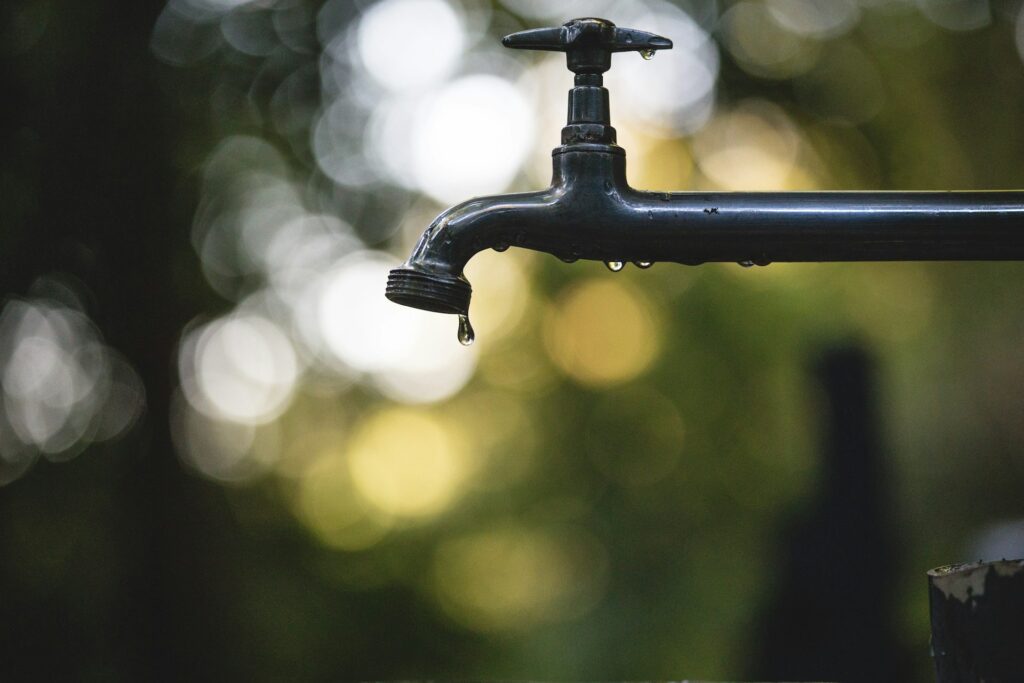
No, Bali’s tap water is not safe to drink. It may be contaminated with some or all of the following: bacteria, viruses, pathogens, and pollutants.
It’s best to drink bottled water to keep yourself safe. Then you can eat food, enjoy the swimming pools, etc. in confidence in this beautiful island destination.