What is Search and Rescue? Your Guide to Safety in Bali, Indonesia
When you’re planning a dream vacation to Bali, Indonesia, the last thing on your mind might be the need for emergency services.
However, understanding what Search and Rescue (SAR) entails can provide peace of mind and ensure you’re prepared for any unexpected situations during your tropical getaway.
Search and Rescue is a critical service designed to locate and assist individuals who are lost, injured, or in distress in remote or challenging environments, whether on land, at sea, or in the air.
In a destination like Bali, known for its lush jungles, volcanic landscapes, and vibrant marine ecosystems, SAR operations are vital for ensuring the safety of both locals and the millions of tourists who visit each year.
In this comprehensive guide, we’ll explore what Search and Rescue is, how it operates, and why it’s particularly important for visitors to Bali.
As the island prepares for the launch of our new SAR service to enhance safety for travellers, this blog will help you understand the role of SAR, the unique challenges of Bali’s terrain, and how you can stay safe while enjoying all that this paradise has to offer.
Whether you’re hiking Mount Agung, diving in the coral reefs, or simply relaxing on the beach, knowing about SAR can make your trip both safer and more enjoyable.
What Are Search and Rescue Operations?
The Search and Rescue Service is a coordinated effort to locate and assist people in distress or imminent danger.
These operations are typically carried out by trained professionals, including government agencies, military personnel, and volunteers, who use specialized equipment and techniques to find and rescue individuals.
SAR missions can occur in various environments, such as mountains, forests, deserts, urban areas, or bodies of water, and they often involve collaboration between multiple organisations, including police, fire services, coast guards, and specialised SAR teams.
SAR operations are generally divided into two main components:
Search
This involves locating missing or distressed individuals. Search efforts may use techniques like aerial surveys, ground searches with trained dogs, or tracking technologies such as GPS and thermal imaging. In some cases, SAR teams rely on local knowledge or information from witnesses to narrow down the search area.
Rescue
Once the individual is located, the rescue phase focuses on safely extracting them from the dangerous situation. This could involve providing medical care, airlifting them to safety, or navigating challenging terrain to bring them to a secure location.
SAR operations are often time-sensitive, as delays can increase risks to the missing or injured person, especially in harsh environmental conditions.
In Bali, SAR teams will be equipped to handle a range of scenarios, from lost hikers in the jungle to stranded divers in the ocean, making their role indispensable for both residents and visitors
Why A Search And Rescue System Matters in Bali
Bali, often referred to as the “Island of the Gods,” is a global tourism hotspot, attracting over 6.5 million international visitors annually, according to Indonesia’s Central Statistics Agency.
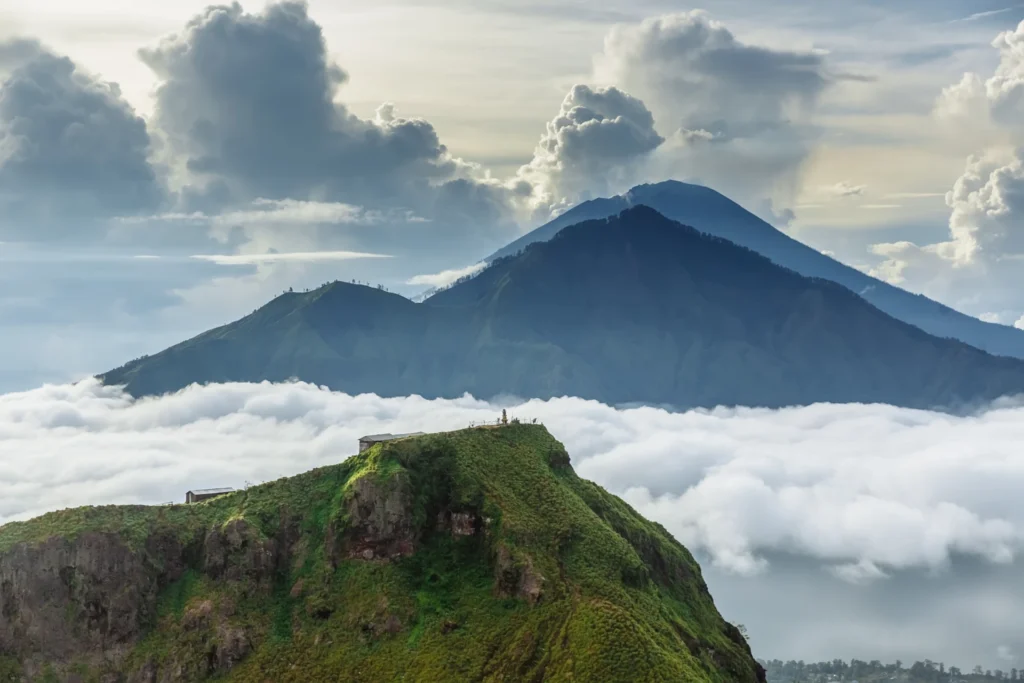
With its diverse landscapes, ranging from volcanic peaks like Mount Agung and Mount Batur to dense rainforests, rice terraces, and coral-rich coastal waters, Bali offers endless opportunities for adventure.
However, these stunning natural features also present unique challenges that can lead to emergencies requiring search and rescue activities and intervention.
Bali’s Unique Environment
Bali’s geography and climate contribute to the need for robust SAR services and rescue capabilities. Here are some key factors:
Volcanic Terrain
Bali is home to active volcanoes, including Mount Agung and Mount Batur, which are popular trekking destinations. However, volcanic activity, unpredictable weather, and rugged trails can pose risks to hikers. For instance, Mount Agung’s eruptions in recent years have prompted temporary closures and evacuations. Mountain rescue efforts can be hindered without an air rescue service and the appropriate rescue training for local personnel.
Marine Environments
Bali is home to active volcanoes, including Mount Agung and Mount Batur, which are popular trekking destinations. However, volcanic activity, unpredictable weather, and rugged trails can pose risks to hikers. For instance, Mount Agung’s eruptions in recent years have prompted temporary closures and evacuations. Mountain rescue efforts can be hindered without an air rescue service and the appropriate rescue training for local personnel.
Jungle and Rural Areas
Bali is home to active volcanoes, including Mount Agung and Mount Batur, which are popular trekking destinations. However, volcanic activity, unpredictable weather, and rugged trails can pose risks to hikers. For instance, Mount Agung’s eruptions in recent years have prompted temporary closures and evacuations. Mountain rescue efforts can be hindered without an air rescue service and the appropriate rescue training for local personnel.
Urban Challenges
Bali is home to active volcanoes, including Mount Agung and Mount Batur, which are popular trekking destinations. However, volcanic activity, unpredictable weather, and rugged trails can pose risks to hikers. For instance, Mount Agung’s eruptions in recent years have prompted temporary closures and evacuations. Mountain rescue efforts can be hindered without an air rescue service and the appropriate rescue training for local personnel.
Recent Incidents Highlighting SAR Importance
Recent events in Bali underscore the critical role of SAR. In July 2025, a ferry sank off the coast near Gilimanuk port, leaving six dead and dozens missing.
The National Search and Rescue Agency (BASARNAS) deployed over 160 rescuers, including police, military personnel, and local fishermen, using boats and helicopters to search for survivors.
This tragedy highlighted the challenges of maritime SAR in Indonesia’s archipelago, where safety regulations can be inconsistent, and weather conditions can complicate rescue efforts.
Similarly, in March 2025, a boat carrying 16 people capsized off Bali, resulting in the death of an Australian woman.
These incidents emphasize the importance of having well-equipped SAR teams ready to respond to emergencies, particularly in a region prone to maritime accidents.
How Search and Rescue Works in Bali
In Indonesia, rescue operations are primarily coordinated by the National Search and Rescue Agency, known as BASARNAS.
This agency works with local police, military, coast guards, and volunteer groups to conduct searches and rescues across the country’s vast archipelago. In Bali, BASARNAS collaborates with local authorities, tourism police, and community groups to ensure rapid response to emergencies.
Key Components Of The Search And Rescue System In Bali
- Coordination and Communication: SAR operations begin with a distress call, often made to emergency numbers like the Bali Tourist Assistance Centre (+62 361 224 111 or +62 361 754 599) or the Nusa Dua Tourist Police Post (+62 361 744 2622). Once a report is received, BASARNAS coordinates with relevant agencies to assess the situation and deploy resources.
- Search Techniques: Depending on the environment, SAR teams may use helicopters for aerial searches, boats for maritime operations, or ground teams with drones and tracking dogs. In Bali’s waters, strong currents and high waves (up to 2.5 meters, as reported in July 2025) can complicate searches, requiring skilled navigators and advanced equipment. Maritime search and air-sea rescue can be very complex for the limited rescue coordination center available in Bali.
- Rescue Operations: Rescues in Bali may involve airlifting injured hikers from volcanic slopes, extracting swimmers caught in rip currents, or recovering passengers from capsized boats. Medical teams are often on standby to provide immediate care, and survivors may be taken to facilities like Jembrana Regional Hospital. Incident management is often very challenging, and rescue units involved in rescue missions may find that they are frustrated by local conditions at times.
- Community Involvement: Bali’s tight-knit communities often play a crucial role in SAR efforts. Local fishermen, for example, assisted in the July 2025 ferry sinking rescue, demonstrating the importance of community support in emergencies.
Challenges in Bali’s SAR Operations
Bali’s SAR teams face several challenges, including:
Weather Conditions
The island’s tropical climate can bring sudden storms, high waves, and poor visibility, as seen in the July 2025 ferry sinking, where strong waves hampered overnight searches.
Overcrowded Tourism
With millions of visitors annually, Bali’s infrastructure is often stretched thin, leading to delays in emergency responses.
Discrepancies in Records
In maritime incidents, discrepancies between official passenger manifests and actual numbers can complicate rescue efforts.
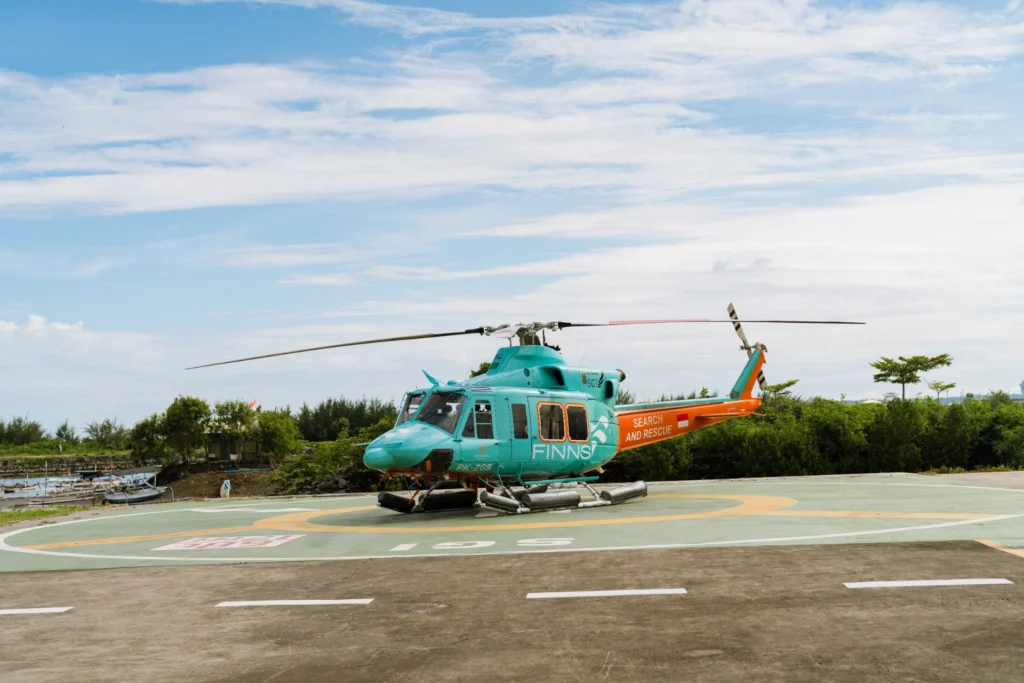
Bali’s New Search and Rescue Service: What to Expect
To address these challenges and enhance safety for visitors, Bali is launching a new Search and Rescue service tailored to the island’s unique needs.
This initiative aims to bolster existing efforts by BASARNAS and local authorities, ensuring faster response times and better-equipped teams.
Here’s what travellers can expect from this new service:
The new SAR service will include:
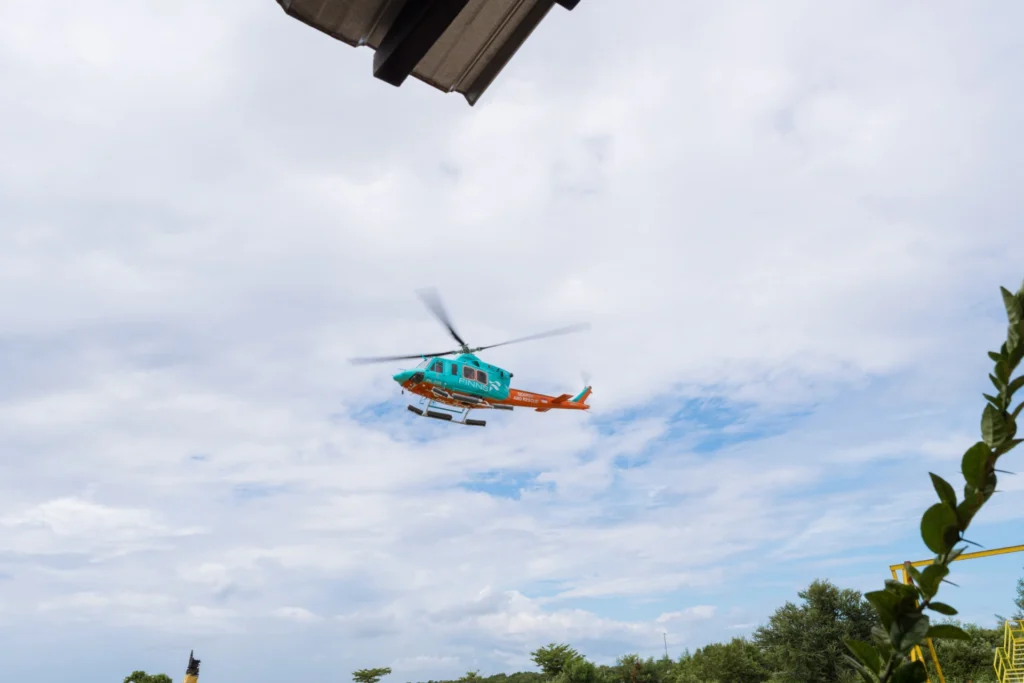
- Specialized Equipment: Investment in a helicopter rescue service will improve search capabilities, particularly in Bali’s challenging marine and volcanic environments.
- Trained Personnel: The service will train additional SAR professionals, including multilingual staff to assist international tourists, aligning with Bali’s welcoming culture.
- Improved Coordination: The service will streamline communication between BASARNAS, local police, tourism authorities, and community groups to ensure rapid deployment during emergencies.
Recognizing Bali’s reliance on tourism, the new service will prioritize areas frequented by visitors, such as:
- Popular Trekking Routes: Enhanced monitoring and rescue capabilities for Mount Agung, Mount Batur, and jungle trails in Ubud.
- Coastal and Marine Areas: Increased air capacity around Nusa Penida, Sanur, and other diving hotspots.
- Urban Tourist Hubs: Faster response times for accidents in Kuta, Seminyak, and Canggu, where urban search and rescue may be required.
The new service will work closely with local communities, encouraging residents to participate in SAR training and awareness programs. This aligns with Bali’s philosophy of Tri Hita Karana, which emphasizes harmony between people, nature, and spirituality.
By involving locals, the service ensures that SAR efforts are culturally sensitive and effective.
How Tourists Can Stay Safe in Bali
While Bali’s new SAR service will enhance safety, travellers can take proactive steps to minimise risks and ensure a worry-free vacation. Here are practical tips to stay safe:
Before You Travel
- Research Your Activities: Understand the risks associated with activities like trekking, diving, or renting mopeds. Check weather forecasts and volcanic activity updates on sites like accuweather.com or MAGMA Indonesia, or Darwin VAAC.
- Learn Emergency Numbers: Save key contacts, such as the Bali Tourist Assistance Centre (+62 361 224 111) and Ngurah Rai Airport Tourist Police (+62 361 751 023).
- Get Travel Insurance: Ensure your insurance covers adventure activities and emergency evacuations, as medical and rescue services can be costly.
During Your Trip
- Stay Informed: Monitor weather conditions, especially during the wet season (November to March), when storms and rough seas are common.
- Use Reputable Providers: Choose licensed tour operators for trekking, diving, or boating. Verify that boats have safety equipment like life jackets and GPS.
- Avoid Risky Behaviours: Follow local guidelines, such as respecting volcanic exclusion zones and avoiding swimming in rough waters. Be cautious when renting mopeds, as accidents are a leading cause of injury.
- Stay Connected: Carry a charged mobile phone and consider a local SIM card for reliable communication, available through services like Bali Savvy.
In an Emergency
- Call for Help Immediately: Use emergency numbers or contact your accommodation for assistance. Provide clear details about your location and situation. It’s easier to provide assistance in the immediate aftermath of an incident if you provide such operations and response teams with sufficient information.
- Stay Calm and Visible: If lost, stay in one place if possible and use bright clothing or signals to aid rescuers.
- Follow Instructions: Cooperate with SAR teams and follow their guidance to ensure a safe rescue.
The Bigger Picture: SAR and Responsible Tourism
Bali’s new SAR service is part of a broader effort to promote responsible tourism.
The island’s popularity has led to challenges like overcrowding, environmental strain, and increased accidents, as noted in reports of overtourism and crime.
By enhancing SAR capabilities, Bali aims to protect both visitors and its natural and cultural heritage.
As a traveller, you can contribute to this effort by:
- Respecting Local Culture: Follow Balinese customs and avoid disrespectful behaviour, such as climbing sacred sites.
- Supporting Sustainable Tourism: Choose eco-friendly accommodations and tours that prioritise environmental conservation.
- Sharing Accurate Information: Use social media to share honest experiences, raising awareness about safety and responsible travel, as suggested by travellers reflecting on Bali’s challenges.
What Are The Four Types Of Search And Rescue?
Search and Rescue (SAR) operations are typically categorised based on the environment and context in which they occur. While sources often list five primary categories, the four most commonly referenced types of SAR operations are:
- Ground Search and Rescue (Wilderness SAR): Involves searching for and assisting individuals lost or in distress in wilderness areas, national parks, or urban settings. Teams use tracking techniques, search algorithms, GPS devices, and sometimes canine units to locate and evacuate victims. This type is common for hikers, adventurers, or civilians in emergencies.
- Maritime Search and Rescue: Focuses on rescuing individuals in distress at sea, oceans, or other bodies of water, often during maritime accidents or shipwrecks. It involves specialised vessels, boats, divers, and sometimes air support. Marine search is very different from land search.
- Mountain Search and Rescue: Conducted in mountainous or rugged terrain, often requiring high-angle rope rescues, air support, and specialised equipment due to challenging conditions. Rescue workers and rescue organisations need a lot of training for this kind of rescue region.
- Urban Search and Rescue (USAR): Involves operations in urban environments, typically after disasters like earthquakes, building collapses, or terrorist attacks. Teams require training in structural collapse, breaching, lifting, and shoring to safely extract victims.
(Note: A fifth category, Combat SAR, is sometimes included but is specific to military operations in war zones and is less commonly referenced in civilian contexts.)
How Do You Define Search And Rescue?
Search and Rescue (SAR) is the organized process of locating and providing aid to individuals who are lost, missing, or in imminent danger due to natural or man-made incidents, such as disasters, aviation or maritime accidents, or wilderness mishaps. The primary goal is to find, assist, and safely evacuate victims, often providing initial medical care. SAR operations are coordinated by trained personnel using specialized equipment and techniques, adhering to international standards like those set by the International Maritime Organization (IMO) and International Civil Aviation Organization (ICAO).
It is a humanitarian effort, often voluntary, aimed at saving lives without regard to nationality or circumstances, and is guided by international laws such as the SOLAS Convention and UNCLOS
What Is Basic Search And Rescue?
Basic Search and Rescue refers to the foundational skills and operations conducted by SAR teams, typically in less complex environments, focusing on locating and assisting individuals in distress. It includes:
- Search Techniques: Systematic methods like grid searches, tracking, or using canines to locate missing persons.
- Rescue Operations: Providing immediate aid, such as first aid, and safely evacuating victims to a place of safety.
- Core Skills: Basic training in navigation, communication, first aid, and situational awareness. This may involve using tools like GPS, radios, or thermal imaging cameras.
- Safety Protocols: Ensuring the safety of both victims and responders, including the use of personal protective equipment (PPE) like helmets, gloves, and sturdy footwear.
Basic SAR is often the starting point for responders and is critical for operations like wilderness or ground SAR, where immediate, straightforward interventions are needed. It contrasts with specialised SAR (e.g., urban or mountain), which requires advanced training and equipment.
Final Thoughts On Search And Rescue In Bali
Search and Rescue is more than just an emergency service; it’s a lifeline that ensures you can explore Bali’s wonders with confidence. Whether you’re trekking volcanic peaks, diving into vibrant coral reefs, or navigating bustling tourist hubs, understanding SAR and taking precautions can make all the difference.
With Bali’s new SAR service set to launch, the island is doubling down on its commitment to visitor safety, combining advanced technology, trained professionals, and community support to create a safer environment for all.
As you plan your Bali adventure, keep safety first by researching your activities, saving emergency contacts, and staying informed about local conditions. By doing so, you’ll not only protect yourself but also contribute to preserving Bali’s beauty and hospitality for future travellers. So pack your bags, embrace the island’s magic, and rest easy knowing that Bali’s SAR teams have your back.
Support Now and Make a Difference
When you support FINNS Search and Rescue, your contribution goes further.