Bali may be the “Island of the Gods”, a bucket-list destination for millions of people across the globe, but is it safe to visit?
The lush rice terraces, vibrant culture and spiritual charm draw millions from all over the world, but when safety is a concern, is popularity enough, or are there things that you should know?
Is it safe for tourists in Bali? Is it safe for solo female travellers?
Our comprehensive guide to safety in Bail will walk you through all the safety considerations you need to know about, from crime risks to medical issues to natural disasters and more. Once you know what to expect, you will be able to plan a worry-free trip to Bali.
Is Bali Safe To Visit?
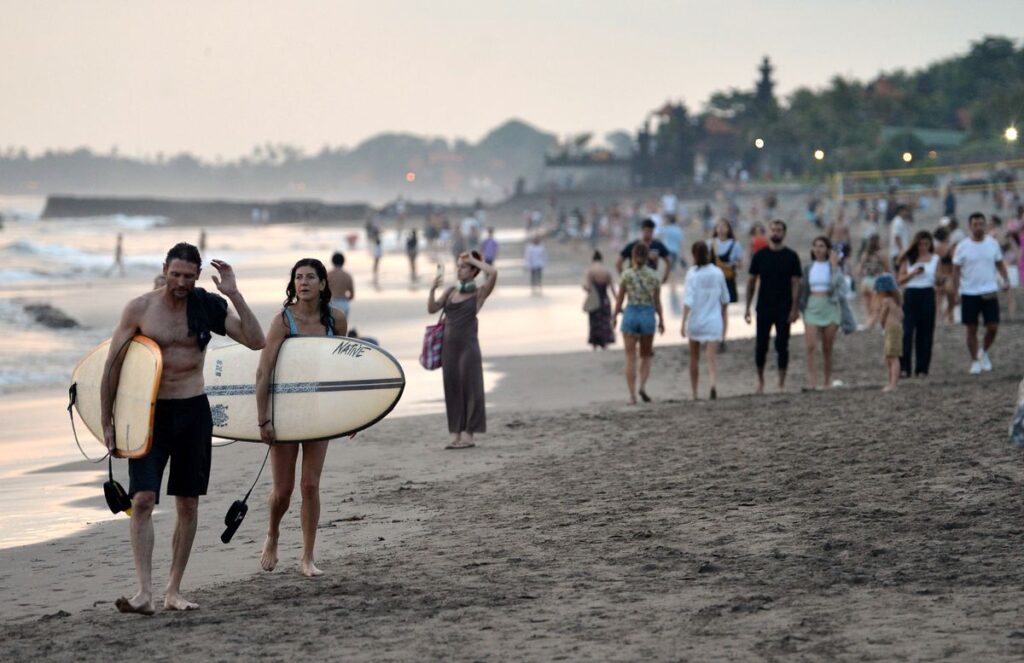
Yes, in general, Bali is safe to visit for tourists. The vast majority of people who come to Bali have a safe and enjoyable trip, and visiting Bali is generally considered to be a low-risk activity.
The island ranks among the safest places to visit in Southeast Asia, and the entire region is relatively safe to visit when compared to any major Western city or town.
There is a low rate of violent crime, and a welcoming local culture, which is rooted in the Hindu traditions of living in harmony with your fellow man and the world at large.
According to the most recent statistics available, the homicide rate in Indonesia is among the world’s lowest at just 0.4 murders per 100,000 people. That’s less than half of the typical rate in most Western nations.
Bali’s tourist-friendly nature means that it’s been welcoming large numbers of guests from overseas for nearly a hundred years now, and while a bit of common sense and attention to personal safety can pay dividends, there’s very little of serious concern on this tropical island.
Crime Risks In Bali
Overview Of Crime In Bali
Bali has a very low crime rate, particularly when compared to most other tourist destinations around the world. However, petty crime like pickpocketing, bag snatching, and tourist scams are the most common issues that you’re likely to face as a traveller.
Violent crime such as mugging, assault, etc., is rare, though not completely unheard of. We would note that as long as you respect local customs, the odds of being involved in violent crime are exceedingly low unless alcohol and other tourists are involved.
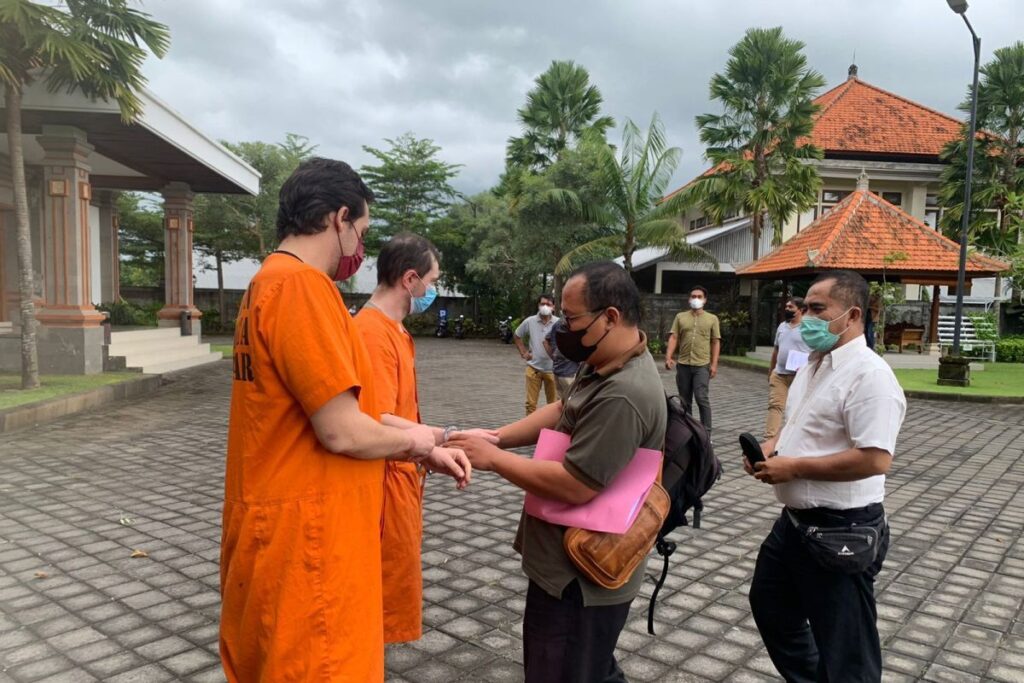
While a 2025 report from the Bali police showed that crimes involving foreigners rose by 16% between 2024 and 2024, the numbers are very small in absolute terms.
With over 6 million foreign tourists on the island, only 226 cases of such crime were reported in 2024! The incidents ranged from things like petty crime to more serious issues (usually involving long-term residents and digital nomads) such as drug offences and cybercrime.
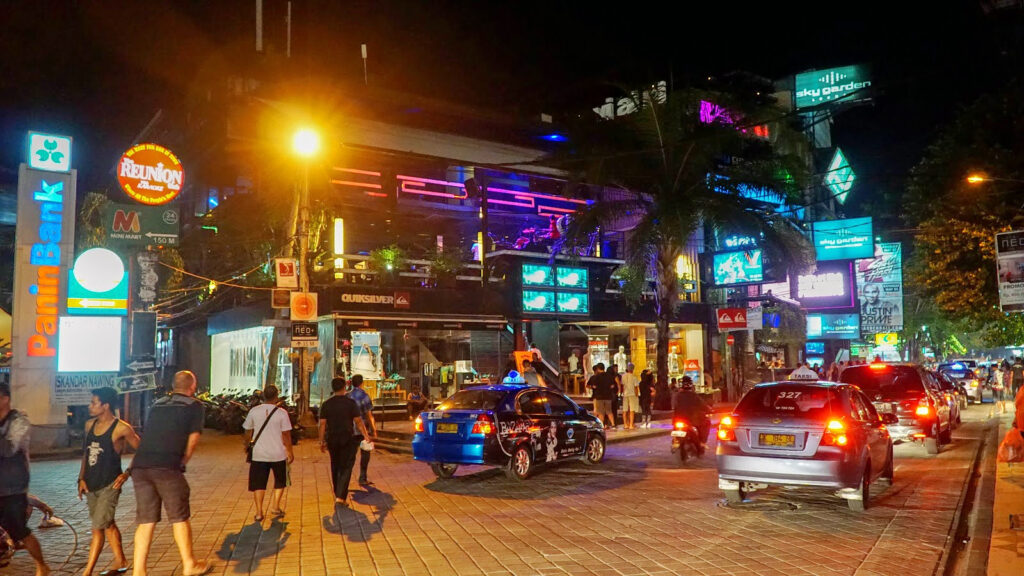
The vast majority of crime that takes place in Bali is opportunistic by nature. It targets distracted and unsuspecting tourists in crowded places in the main tourist towns of Kuta, Seminyak and Ubud.
Pickpocketing and bag snatching are the two main crimes in such areas, and often by thieves on motorbikes. Tourist scams such as overcharging by taxi drivers and currency exchange rip-offs are also not as uncommon as we would like.
Mainly, though, the Balinese are known for their warm hospitality, and the majority of visits to Bali are trouble-free.
Specific Crime Concerns In Bali
- Pickpocketing and bag snatching – these are the most frequent crimes in Bali and tend to take place in busy areas like Kuta Beach, in the nightlife area of Seminyak or in the markets and monkey forest of Ubud. Thieves will usually work in pairs or teams to use distraction techniques to allow their partners to steal wallets, telephones or bags. A common tactic is snatching phones or bags from tourists who are riding scooters, particularly when they are stopped at red lights or in slow-moving traffic.
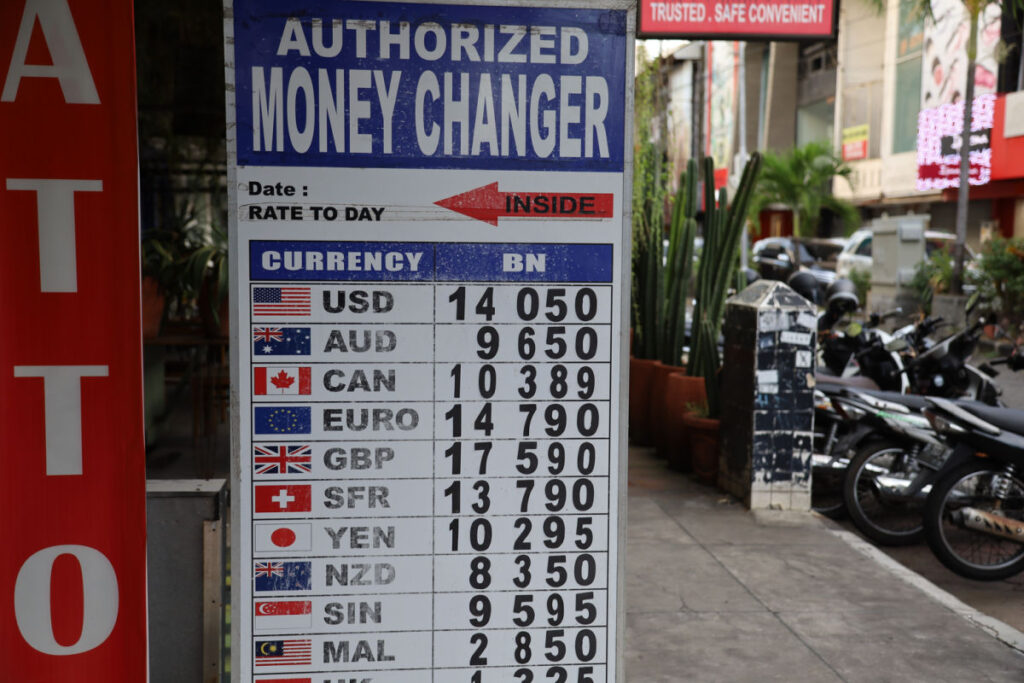
- Tourist scams – tourists are likely to find that unofficial money changers are offering suspiciously good exchange rates. This is because they skim what they return to you, so you never get all your money back at the money changers. You may also encounter fake tour operators, drivers seeking commissions from shops or hotels, and ATM skimming is also not unknown.
- Drink Spiking and Methanol Poisoning – methanol poisoning is very rare in Bali and tends to only occur when a traveller fails to exercise common sense and buys alcohol made in a back street still for far less than the cost of a beer in a bar or shop. In recent years, Bali has made a lot of effort to eliminate this issue, and it mainly has. Drink spiking is extremely rare in Bali, but the best way to avoid this problem is to keep an eye on your drink, especially if you’re a solo female traveler. You’re much less likely to experience problems in an upmarket venue like FINNS Beach Club, where cameras and security measures are in place, than you are in a backstreet dive in the middle of nowhere.
- Violent Crime – armed robberies and muggings have occasionally been reported in Bali, though they are very rare. In 2024, there was a minor uptick in such crimes against foreigners, but they are still super unlikely. Kuta at night appears to be a good place to take basic precautions against such crime.
How To Avoid Crime In Bali
- Keep your valuables secure – use the safe in your hotel to store your passport, cash and valuables. Don’t flash expensive jewellery in public or electronics for that matter. Only carry small amounts of cash and split it between your wallet, a money belt and a secure pocket.
- Be vigilant in crowded places – keep your bags close to your body in markets, on the beach or in nightlife areas. It’s often best to use a crossbody bag or backpack with anti-theft measures to ensure that you avoid bag snatchers in tourist areas.
- Use reputable services – don’t hail a cab in the street. Use Grab, Gojek or the Bluebird Taxi app to book a taxi and ensure that your transaction is properly tracked and monitored.
- Stay sober and aware – don’t leave your drinks unattended in a nightclub or bar, stick to reputable establishments and don’t take drinks from strangers. Stick to well-known brands like Bintang to ensure that your beers are safe to drink.
- Keep an eye on your finances – always use an ATM inside a bank or shopping mall to avoid skimming devices on the machines. Check your bank account regularly to spot any signs of trouble with unauthorised transactions.
- Avoid isolated areas at night – one of the best pieces of safety advice we can give anyone, and not just solo travelers is to ensure that you stick to well-lit and populated areas at night. If you need to get home late, use a ride-sharing app; that’s the best safety equipment you can get to avoid trouble in the evenings.
Medical Risks In Bali
Common Health Risks In Bali
Bali’s tropical heat and bustling tourism scene isn’t free of health risks, but the good news is that it’s fairly easy to prepare for problems here. The most common issues affecting your health, according to local media and international health services, are Bali Belly (usually traveller’s diarrhoea but occasionally food poisoning), dengue fever, and sun/heat-related problems.
Bali does have reputable medical assistance and facilities, particularly in the area around Denpasar, but treatment can be very expensive for non-residents, and it’s a good idea to have travel insurance just in case you need medical facilities.
- Bali Belly – usually just traveller’s diarrhoea caused by contaminated water or food. Symptoms will include stomach cramps, nausea and diarrhoea. It’s very common for first-time visitors, particularly those who eat at street vendors or in more rural areas. Occasionally, it can also be food poisoning, so if symptoms last more than 24 hours, it’s a good idea to see a doctor.
- Dengue – this is a mosquito-borne disease which is most common during the rainy season (October to February). Doctors in Australia report that they’ve seen a rise in dengue cases this year among tourists returning from Bali. The symptoms can include fever, joint pain and headaches, and very severe cases of dengue can be life-threatening.
- Malaria – malaria is very rare in the main tourist areas of the island, and you would need to go somewhere quite remote to contract this dangerous disease. Mainly, there’s no need to take malaria prophylaxis in Bali, but if you’re in any doubt, speak to your doctor before you travel.
- Rabies – while several countries have increased their travel warnings to Bali recently over the risk of rabies. Rabies is not that common in Bali. If you are bitten by any animal, you should seek immediate medical treatment and rabies vaccination. It’s best to avoid stray dogs and monkeys for this reason.
- Sunburn and heatstroke – the sun here is intense, and sunburn and heatstroke are common conditions if you don’t take proper precautions such as using sunscreen and a sunhat, particularly for people from cooler climates with fair complexions.
Medical Infrastructure And Medical Treatment In Bali
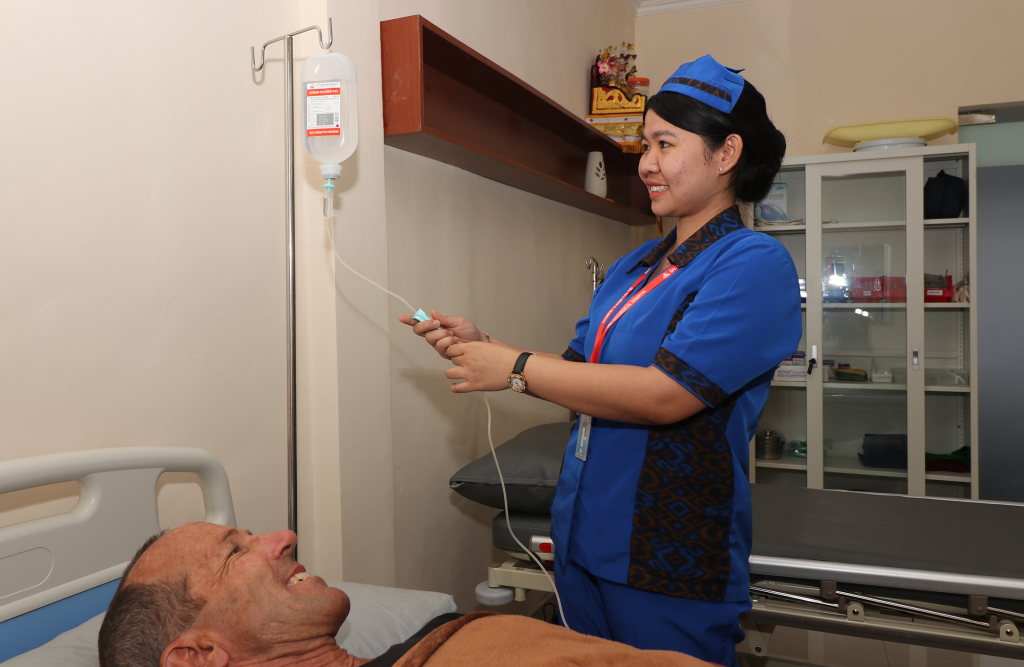
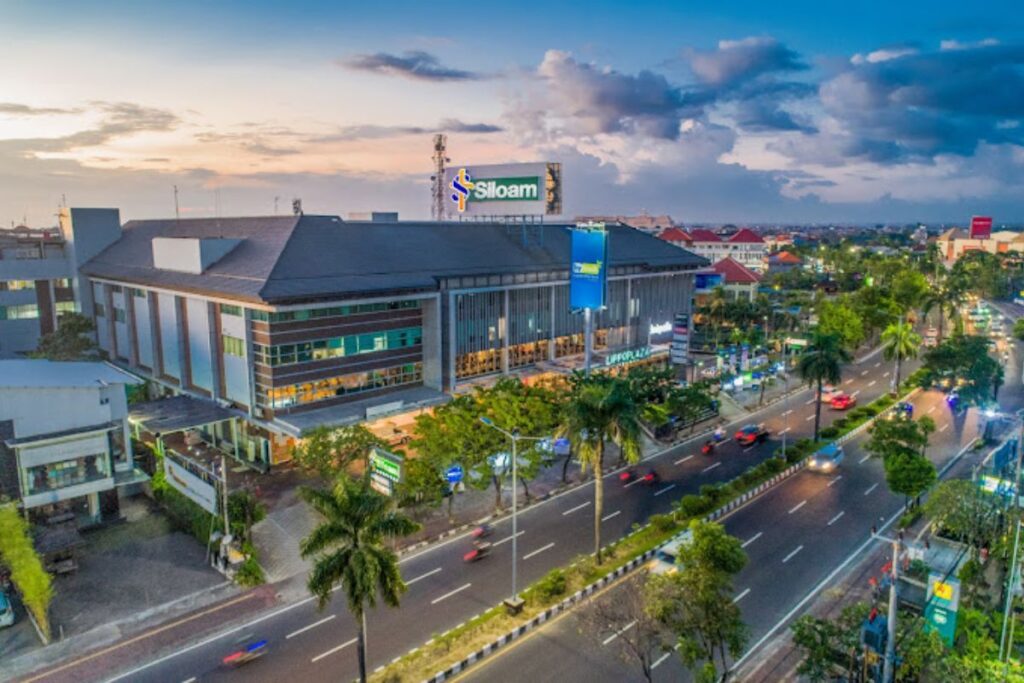
Bali has many international-standard hospitals, including BIMC, Siloam, Sanglah, etc., and they are located in and around the main tourism hubs in the South of the island.
These facilities offer generally good quality care, but you should be aware that they can be very expensive, which is why insurance for the risks above and any other health risks is a good idea.
It’s worth noting you can buy most medicines over the counter here in Bali, but if you bring your own medicines to Indonesia, you should always have a prescription, as some common medications are illegal in this country without a doctor’s prescription.
Health Practical Advice
- Travel insurance – comprehensive insurance is your best bet to ensure that “Is Bali safe?” is a question with only a positive outcome. Safety Wing’s travel insurance is a very popular choice for its affordability and global coverage. Make sure to cover medical evacuation, scooter accidents and trip disruptions at a bare minimum.
- Food and Water Safety – it’s best to only drink bottled water or purified water. Ice in Bali is always safe and won’t give you Bali belly as it’s supplied by a government-approved vendor. Try to eat at well-established restaurants with a clear sense of hygiene. If you buy fruits and vegetables, don’t wash them in tap water; use bottled water for that too.
- Mosquito protection – use a DEET-based insect repellent, wear long sleeves and pants in the evenings and sleep under a mosquito net in rural areas. Consider a dengue vaccine if your doctor recommends one.
- Sun protection – use a high SPF sunscreen, wear a sunhat, and stay hydrated to avoid sunburn and/or heatstroke.
- Rabies prevention – avoid physical contact with stray dogs, monkeys and other animals. If you are bitten, seek immediate medical attention and a reputable hospital. You should note that rabies is universally fatal. If the symptoms begin to show, it’s much better to be safe than sorry with this disease.
- Pack a small first aid kit – this should include some anti-diarrhoea medication, probiotics, pain relief and bandages for minor injuries. Make sure to bring prescriptions for anything you import.
- Vaccinations – there are no legal requirements for vaccination in Bali, but routine vaccinations such as typhoid, Hep A, Hep B, etc., should be up to date, just in case.
Natural Disaster Risks In Bali
The Geological Context Of Bali
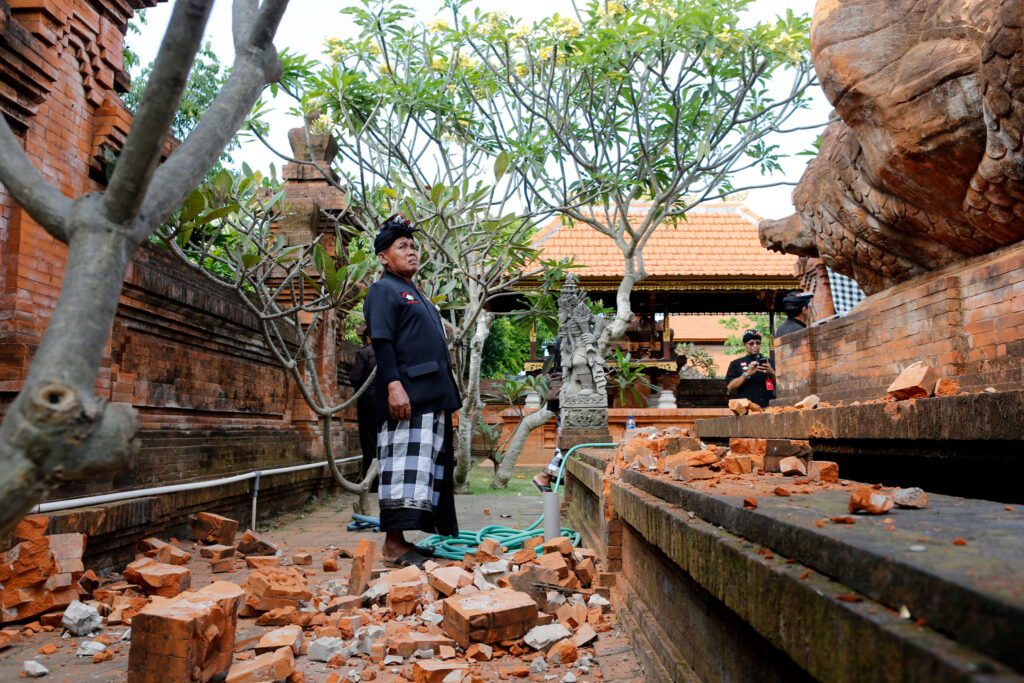
Bali is part of the Pacific Ring of Fire. This is a region that is heavily prone to seismic activity, which makes it vulnerable to earthquakes, volcanic eruptions and tsunamis.
While these events are generally rare, they can pose significant risks to your holiday and thus, you should be prepared.
Indonesia suffers around 4,000 earthquakes each year, and while the majority are very mild, some can be very fierce. Bali’s active volcanoes, in particular Mount Batur and Mount Agung, may disrupt air travel with ash clouds and eruptions.
- Earthquakes – minor tremors are very common, but stronger earthquakes are infrequent and relatively rare.
- Volcanic eruptions – Mount Agung erupted in 2017 and 2019 with enough ferocity to close the airport and to incur evacuations of nearby towns. The authorities here in Bali have an interest in keeping Bali safe, and they do monitor for changes in volcanic activity.
- Tsunamis – the Southern coast of Bali is at some risk of tsunamis, particularly in the aftermath of a major earthquake. The main tourist areas have established evacuation routes and early warning systems.
- Flooding – heavy rain in the wet season can cause flooding and landslides, particularly in rural and/or mountainous areas.
Preparing For Natural Disasters
- Stay informed – both local and international media will publish weather warnings and volcanic activity warnings. You should also check travel advisories through Smarttraveller and GOV.UK before and during your holiday.
- Know your evacuation procedures – make sure to familiarise yourself with the evacuation routes and emergency procedures in your hotel. Look for tsunami evacuation signs in coastal areas, which will signpost your way to higher ground and evacuation centres.
- Pack an emergency kit – having a flashlight, portable charger, bottled water, and a few snacks can make life much easier in an emergency.
- Follow the local authorities – in the event of a natural disaster, make sure you follow the guidance of local officials and evacuate when you are told to do so.
Is Bali Safe For Solo Female Travellers?
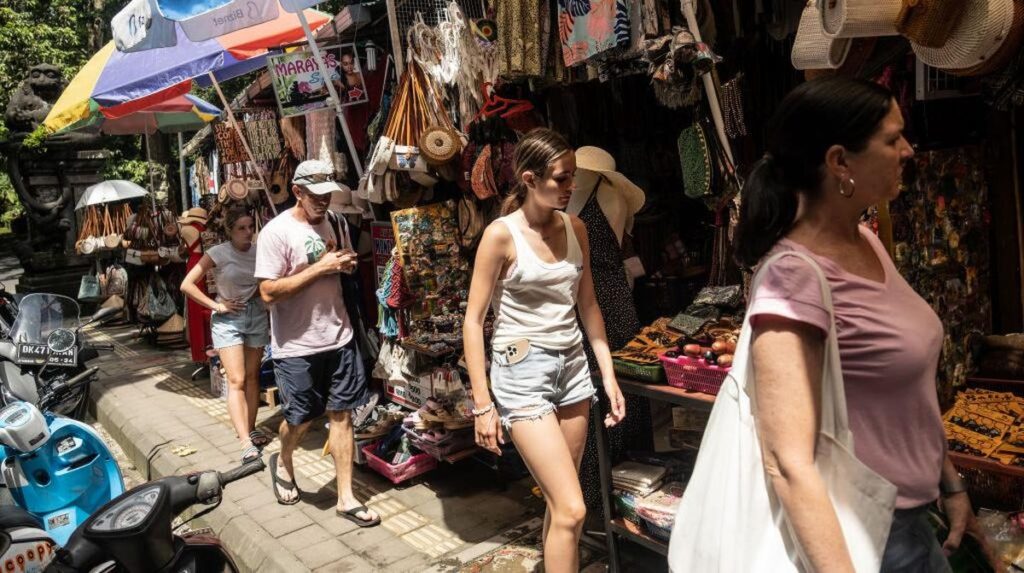
Bali is well-regarded as a safe spot for solo female travelers, and it’s an excellent choice for both first-timers and for seasoned adventurers.
The island has a thriving backpacker culture, and the locals are welcoming and friendly. There is also a robust tourism infrastructure which makes it easy to navigate the area and to connect with other people.
Most women who travel to Bali report feeling safe, empowered and welcome on their trips.
However, that’s not to say that female visitors shouldn’t exercise some caution either. They may be more vulnerable to petty crime, drink spiking and harassment. But if you follow some very basic precautions, you should find you can enjoy Bali with confidence, by yourself.
Safety Tips For Solo Female Travellers
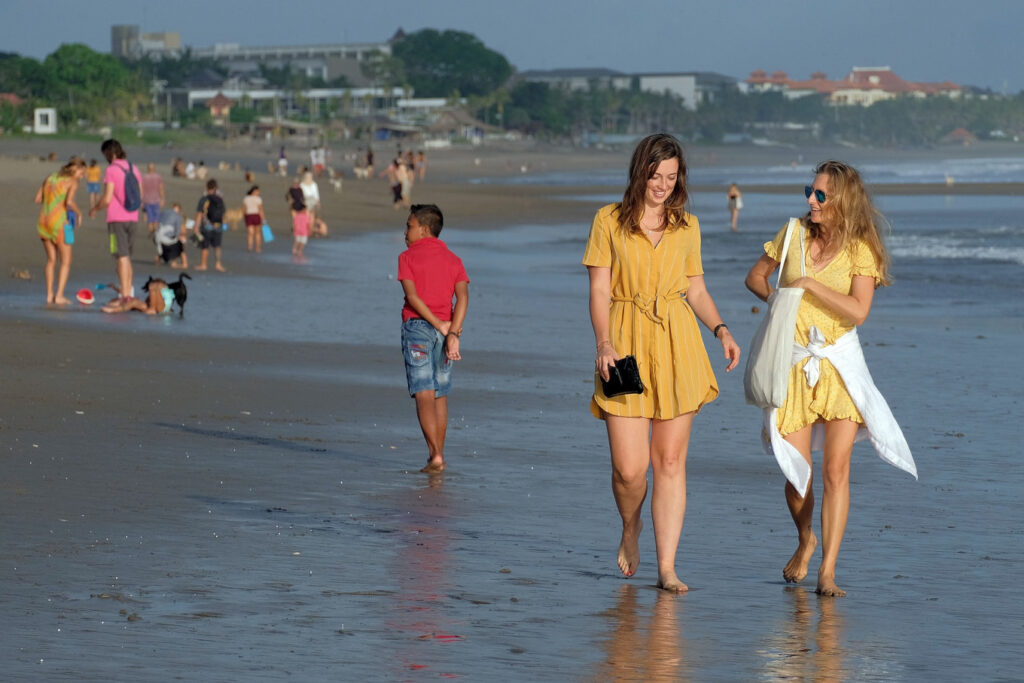
- Choose good accommodations – go with well-reviewed hostels, hotels, villas, etc. and choose places on main roads rather than in isolated locations. Read the reviews and make sure the property is both secure and reputable. A villa can give you added privacy and safety.
- Dress respectfully – Balinese culture puts a premium on modesty, and this is especially true at religious sites. Make sure to respect local customs and wear a sarong and shawl in these places to cover your shoulders and knees. Also, you should know that you’re not meant to visit sacred sites in Bali when you are menstruating.
- Avoid walking alone at night – use a ride-share and only walk in well-populated and well-lit places once it gets dark.
- Stay aware in social settings – don’t leave your drinks unattended, keep a close eye on your own alcohol consumption and remember drinks can hit harder in the hot, humid climate of Bali. Trust your instincts. If you find yourself in an uncomfortable situation, get out of there as soon as you can.
- Connect with others – it’s easy to meet like-minded folks in Bali. Join group tours, stay in hostels with an active social environment or attend community events to build a network of fellow travellers around you.
- Share your itinerary – tell friends and/or family about your travel plans and do check in with them regularly. Always have a charged phone with emergency contacts in it and carry a charger.
- Respect local customs – avoid PDAs (Public Displays of Affection) and learn some basic Bahasa Indonesia to help communicate with the locals in a respectful fashion.
Is Bali Safe For Tourists?

Yes, Bali is one of the world’s safest tourist destinations and families, couples, groups and solo travelers can all have a great time in this part of Southeast Asia.
Bali is a long-established tourist destination with a welcoming culture and safe resorts that make it an ideal place for most types of visitors.
Areas like Seminyak, Canggu, Ubud, etc., are very tourist-friendly and offer safe environments with a robust infrastructure level.
However, there are some specific risks, and while you should find Bali safe, you don’t want to get tangled up with a traffic accident, petty theft, etc.
Motorbike accidents are the number one safety concern for most tourists. In 2016 alone, 59 Australians died in Bali, and the vast majority did so because of a traffic accident.
General Safety Tips For Tourists
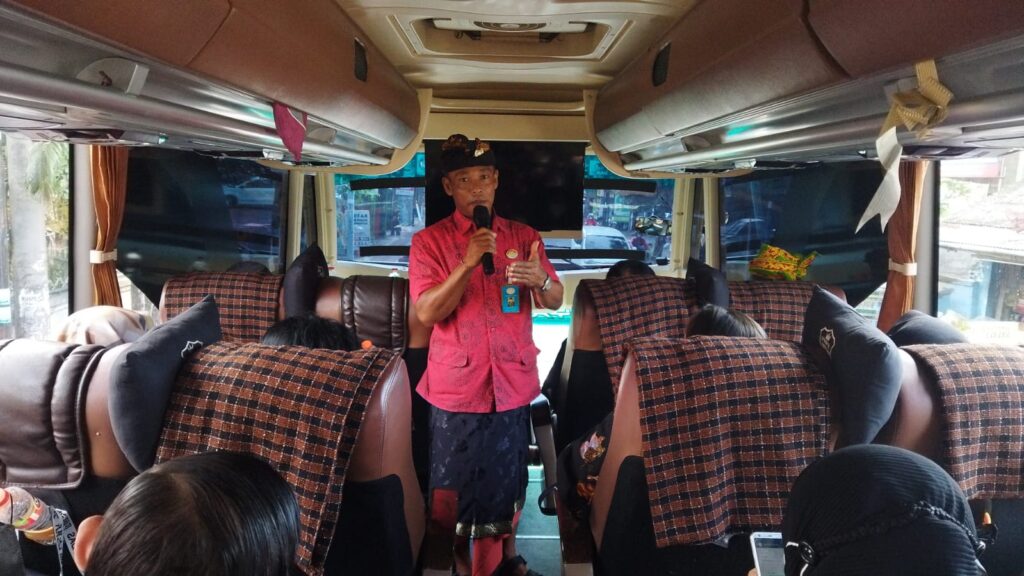
- Road safety – the roads here are narrow, chaotic, and in poor repair. They also see a fair number of stray dogs and other hazards. Only the most experienced scooter riders should think about riding in Bali, and helmets are an essential item.
- Book reputable tours – use trusted operators with good reviews to avoid scams and unsafe experiences. Ignore street touts and vendors offering unsolicited services.
- Respect local customs and laws – the Indonesian government has introduced some of the strictest drug laws on Earth, and drug offences can carry the death penalty. Don’t buy, own or use illegal drugs. Always carry a prescription for medicine if you have it; many common medicines are illegal in Indonesia without one.
- Be cautious in the water – some Bali beaches, particularly on the Southern Coast, have strong riptides that can be dangerous for even the strongest of swimmers.
- LGBTQ+ Travel – Bali is a safe place for LGBTQ+ tourists compared to the rest of Indonesia, and its Hindu-majority population is pretty accepting. However, as with all other tourists, it’s best to avoid PDAs.
- Keep an eye on travel advisories – Smarttraveller, GOV.UK, etc., are great sources of information for travel advice and safety advice. If you want to be super safe, make sure to register with your embassy for emergency updates too.
Other Safety Considerations In Bali
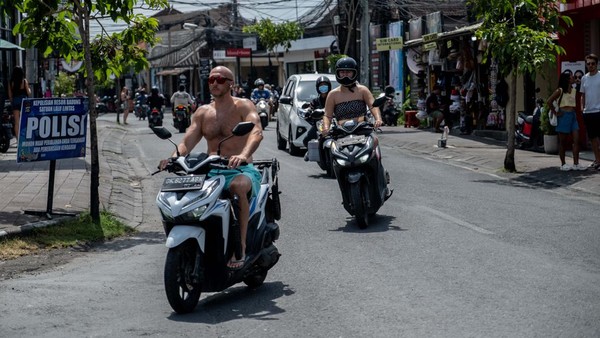
Traffic And Transport
If you want to drive a scooter, you need a current driving license, which MUST have a motorcycle endorsement and a current International Driving Permit (IDP). If you don’t have these, you cannot be insured even if you have paid for insurance. You must also be sober and wear a helmet if you want your insurance to be of use.
We’d recommend sticking to ride-sharing given how dangerous Bali’s roads can be. Grab and Gojek are cheap and efficient.
Avoid flagging down taxis; taxi mafia scams are rampant in Bali.
Terrorism Risks
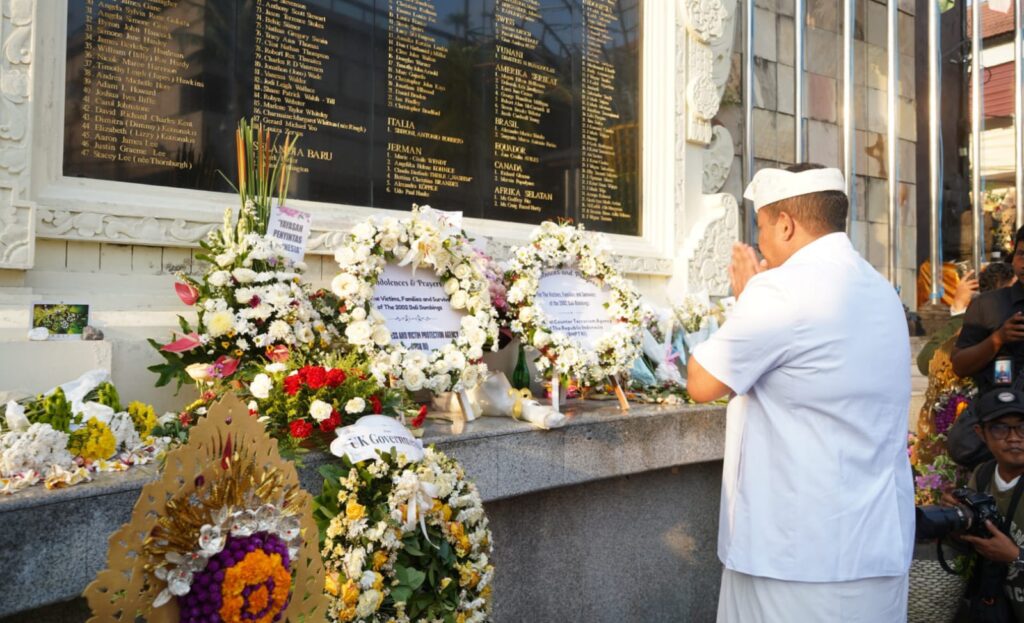
Bali is very safe when it comes to terrorism risks, and while no place can ever claim to be zero risk, there have been no incidents on the island for more than 20 years now.
The government of Indonesia is proactive about eliminating terrorism threats, but you should still remain vigilant and avoid political events and international summits.
Animal-Related Risks
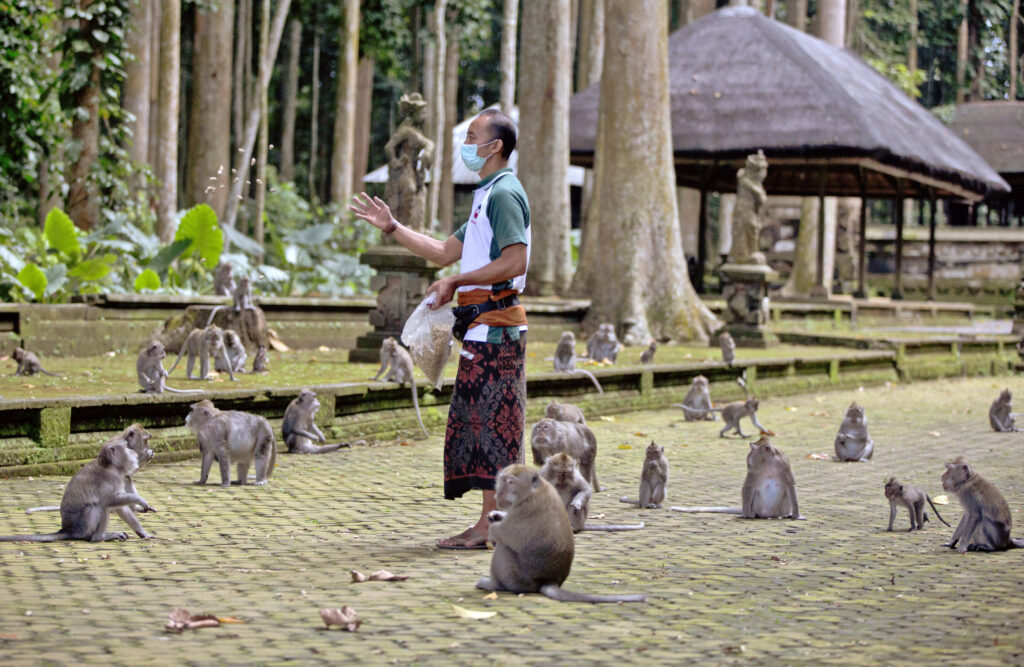
The monkeys in Bali bite, steal and can be very aggressive. Stray dogs may also bite or attack without warning. It’s best to keep away from animals in Bali, and if you are ever bitten, get to a hospital immediately and seek rabies prevention.
Cultural Sensitivities
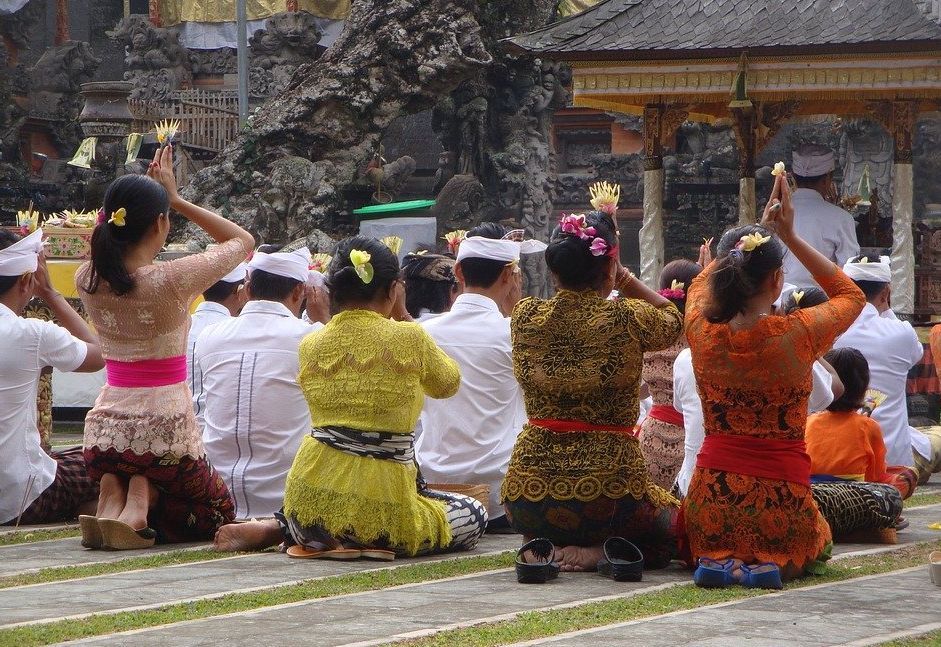
The Hindu culture here in Bali likes respect and harmony. Keep it modest at the temples, avoid pointing at anything or anyone with your feet, don’t touch people’s heads. Also, during the month of Ramadan, it’s polite not to eat, drink or smoke in public in Muslim majority areas.
Final Bali Safety Checklist
- Buy some comprehensive travel insurance before visiting Bali
- Secure valuables and stay aware in crowded places to avoid petty crime
- Drink bottled water, never drink tap water, use mosquito repellent and use sunscreen
- Monitor travel advisories, and know your evacuation procedures in your accommodation
- Use reputable transport and tour operators
- Respect local customs and culture, in particular, dress properly at religious sites
FAQs
Is It Safe To Walk Around Bali At Night?
Yes, though in major cities, we’d advise sticking to well-lit and popular areas. We’d also recommend using a ride-share from Grab or Gojek to get home late at night too.
Is Bali Safe For Australians?
Yes, Bali is a safe destination for Australians as long as they follow appropriate precautions. In fact, Bali remains generally safe for all visitors, and the worst most people will face in their time on the island is a mild upset stomach.
With over 6 million international visitors a year, Bali has been welcoming and keeping tourists safe for decades now.
Do You Need Travel Insurance For Bali?
Yes, we always recommend that you have travel insurance when you come to Bali. If you are bitten by an animal that may carry rabies, you may find that it can cost over $2,000 for the vaccinations!
And other treatments may be even more expensive! The health facilities on the island are generally good and of an international standard, but without insurance, they may be prohibitively expensive.
Are The Local Laws And Local Authorities Enough To Keep You Safe In Bali?
Mainly, yes. The Indonesian authorities don’t get everything right, of course, but in general, the island is a very safe place with no exclusion zones or no-go areas.
Conclusion: You Can Enjoy Bali With Confidence
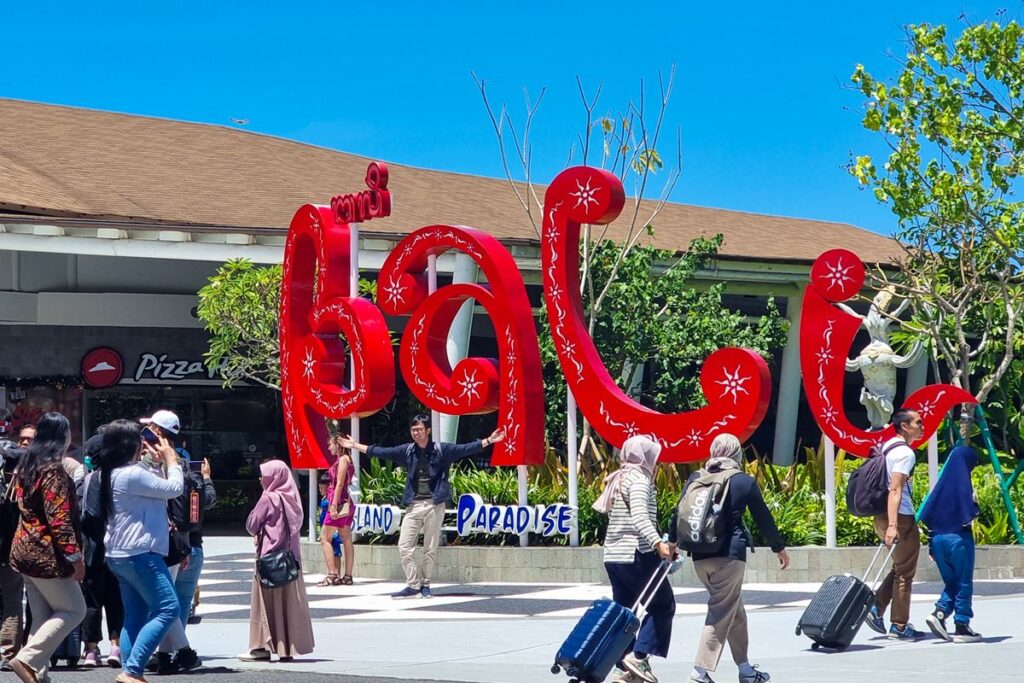
Is Bali safe? Yes, Bali is a safe and welcoming destination for tourists of all types, from solo female travellers to couples to families to groups, as long as you take sensible safety precautions.
The island’s low crime rates, friendly locals and well-developed tourism infrastructure make it an ideal spot to explore in Southeast Asia.
Stay vigilant against petty crime, prepare for health risks and natural disasters and respect local customs, and you can focus on the breathtaking landscapes, vibrant culture and warm hospitality.