
Bali is a land of lush rice fields, vibrant culture and pristine beaches. It’s a dream destination for millions of people across the globe.
However, there may be a small challenge waiting for some folks on the island, Bali Belly or traveller’s diarrhoea. This can make a holiday a bit uncomfortable than you were expecting.
So, we’ve put together this handy guide to ensure that you’re ready to tackle the Bali Belly head-on and to know its causes, symptoms, duration, and practical steps to prevent and treat the Bali Belly.
What Is Bali Belly?

Bali Belly is not unique to Bali; it’s also called “Delhi Belly,” “Montezuma’s Revenge,” or “Rangoon Runs,” depending on your destination.
It’s simply traveller’s diarrhoea, and it’s very common for Western travellers to have a quick bout of traveller’s diarrhoea when they visit developing countries.
The good news is that you can reduce your risks of catching Bali Belly, and if you do catch it, most cases resolve themselves pretty quickly.
Causes Of Bali Belly

It’s important to understand the various potential causes of Bali Belly if you want to prevent yourself from getting it. The condition is primarily caused by pathogens, that is, bacteria, viruses, or parasites, that are usually ingested through contaminated food or water.
Here are the main culprits for Bali Belly:
Bacterial Infection
It’s estimated that bacterial infection is responsible for about 70% of all cases of Bali Belly, and the worst offenders for this are:
- Escherichia coli (E. coli) – this is a frequent cause of Bali Belly and is very often found in contaminated food or water. It’s super common in undercooked meat, seafood and produce that has been washed in tap water or unfiltered water.
- Salmonella – this is very commonly found in poultry, eggs and dairy foods that are not handled properly or which have been poorly cooked.
- Shigella – this is transmitted through contaminated food and water, and it’s often linked to poor sanitation practices.
- Campylobacter – it’s found in undercooked poultry as well as in contaminated water. It can cause very severe symptoms, including fever and bloody diarrhoea.
Bacterial infections are commonly known as “food poisoning”, even though you don’t have to upset your digestive system with food to catch a bacterial infection.
Viral Infection
Viruses such as norovirus and rotavirus cause around 33% of the Bali Belly cases on the island. These viruses spread through contaminated food, water, or surfaces, and they are, sadly, highly contagious. They can cause very rapid onset symptoms, and that includes both vomiting and diarrhoea.
Parasitic Infection

Parasites such as Giardia or Cryptosporidium are less common, but they can lead to prolonged and particularly severe symptoms. Parasitic infections often result from contaminated water rather than from eating contaminated food or produce, and the symptoms may take weeks or even months to manifest, which makes it much harder to pinpoint the source of your stomach cramps.
Environmental And Dietary Factors (e.g. Consuming Contaminated Food Or Water)
Beyond pathogens, there can be other factors that contribute to your Bali Belly symptoms:
- Unfamiliar Harmless Bacteria – sadly, while the locals and expats on the island will have gained immunity to the bacteria in the food and water supply, thanks to years of exposure. Travellers are rarely as lucky. They lack immunity, and even a small amount of these harmless bacteria can still trigger a case of Bali Belly.
- Dietary Changes – spicy foods and oily foods, both of which are very common in the local cuisine, can upset sensitive stomachs, especially if you’re not used to the flavours and textures. Poorly cooked hot food can also be a potential problem.
- Poor Hygiene Practices – food handlers that fail to wash their hands, plates that weren’t properly washed, flies landing on uncovered food, etc., can all introduce pathogens to a meal that weren’t there before.
- Stress and Jet Lag – travel-related stress or fatigue can weaken your immune system and make you more susceptible to illness.
Contaminated Water Sources
It is absolutely vital that you understand that tap water here in Bali and in most of the rest of Asia is not safe to drink as it is potentially contaminated on the way to you. Using tap water for drinking, brushing your teeth or making ice is a great way to give yourself Bali Belly.
Even seemingly harmless actions such as washing fruits and vegetables in tap water can trigger Bali Belly.
How Common Is Bali Belly?
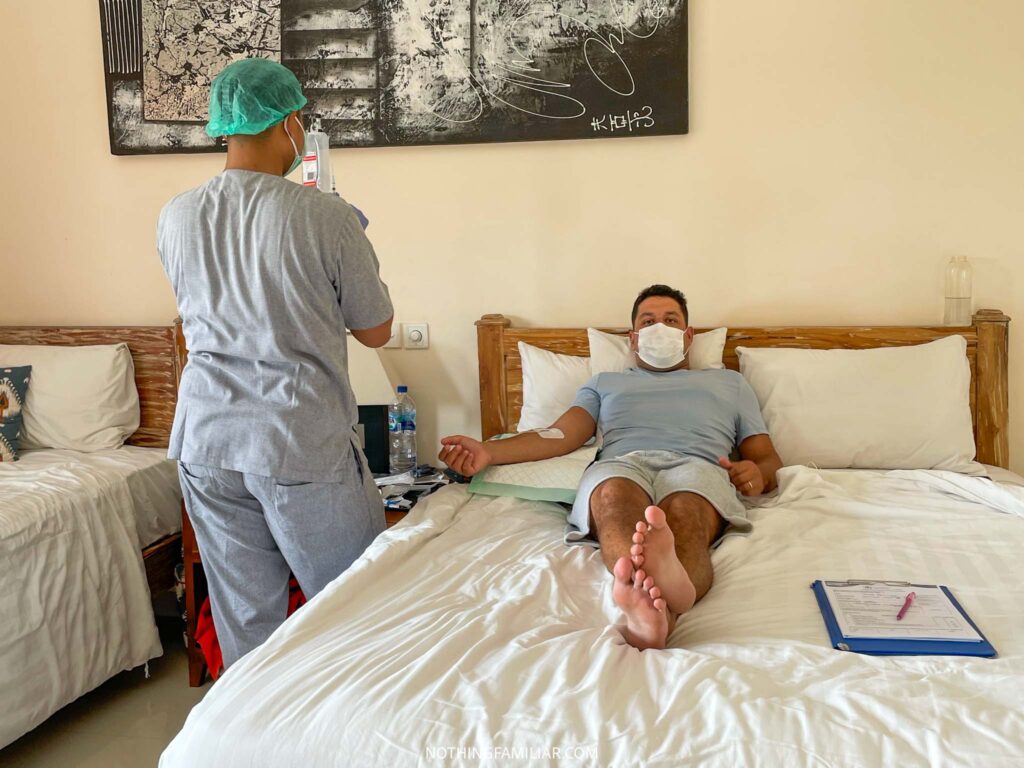
Bali Belly is a genuine and significant concern for travellers. Estimates suggest that as many as 20-50% of travellers may experience traveller’s diarrhoea.
This is due to varying sanitation standards and the simple presence of unfamiliar bacteria.
It feels like the risk is greater in Bali than in some other destinations simply because of the huge volumes of tourists that the island welcomes each year. With over 7 million people arriving in 2023 alone.
Younger travellers and those who engage in adventurous practices (particularly dining, such as eating food at street vendors) are at a higher risk because they tend to be exposed to less well-regulated food sources.
However, anyone can be affected by Bali Belly, and that is regardless of their age, travel style, etc. and particularly if they don’t take precautions against infection.
How Long Does It Take For Bali Belly To Start?

The onset of symptoms of Bali Belly will depend on the type and the amount of the pathogen that you ingest, as well as your immune system’s response to the invader. Here’s a breakdown that might help:
- Bacterial infection – this can take from 6 to 48 hours from exposure to manifest symptoms. This is important to remember as it’s rarely the last place that you ate that gave you food poisoning.
- Viral infections – viruses typically take from 24 to 48 hours for their symptoms to manifest.
- Parasitic infections – parasites can take a long time, often weeks or even months, to cause symptoms. This can make it very hard for medical professionals to work out how to treat Bali Belly that is contracted in this fashion.
- Dietary or Stress-Related Triggers – symptoms from dietary change or stress can take from hours to days to manifest.
The sudden onset of Bali Belly symptoms, such as a gurgling stomach, bloating, nausea, etc., is often the first sign that you have an issue.
In most cases, the symptoms of Bali Belly will arrive during your first week of travel as your body tries to adjust to the new environment and dietary conditions.
How Long Does Bali Belly Last?
The duration of an episode of Bali Belly can vary depending on the cause, severity and how you manage the sickness. Here’s roughly what you should expect:
- Mild Cases – these will mainly resolve themselves within 1-3 days with some rest, hydration and a bland diet.
- Moderate Cases – the symptoms might persist for 3-5 days, particularly if you have food poisoning from a bacterial infection.
- Severe Cases – parasitic infections and very severe bacterial infections can last for a week or more if they are left untreated.
- Potential Complications – If you end up dehydrated, with a high fever, or with bloody stools, it is vital to seek medical advice, and this may extend your recovery time from Bali Belly further.
With prompt treatment such as oral rehydration drinks and symptom management, most travellers will recover quickly, and they will soon be able to resume their holiday. However, if you neglect symptoms or fail to stay hydrated, things can get worse and become more complicated.
Symptoms Of Bali Belly

If you recognise the symptoms of Bali Belly early, it can help you manage the condition more effectively. The most common symptoms include:
- Diarrhoea – frequent, watery stools that are often urgent and accompanied by mild to severe discomfort.
- Abdominal pain and cramps – these can range from mild to severe, too, and the cramps can make movement very uncomfortable.
- Nausea and vomiting – these symptoms are signs that your body is trying to expel pathogens.
- Bloating and gas – a swollen/full feeling in your stomach which can often be relieved (at least, temporarily) by passing wind.
- Fever – a mild fever (that is around 37.5-38.5 degrees Celsius or 99.5-101 degrees Fahrenheit) is common and not usually dangerous, but a high fever of over 38.5 degrees Celsius or 101 degrees Fahrenheit can indicate more serious problems and merits a chat with a medical professional.
- Fatigue and feeling weak – dehydration and nutrient loss can leave you feeling drained and tired.
- Loss of appetite – a reduced desire to eat is common as the body looks to focus on recovery and feeling better.
- Dehydration – signs include a dry mouth, dark urine, feeling dizzy, reduced urination and if severe, it’s a good idea to talk to the doctor as soon as possible.
If you have severe symptoms such as bloody stools, extreme dehydration, or very intense abdominal pain, then it’s a good idea to seek medical advice immediately.
Precautions To Prevent Bali Belly

Preventing the dreaded Bali Belly can be fairly straightforward, and it’s all about good food and water hygiene as well as being mindful of the general environment. Here are some Bali Belly prevention tips to help slash the risks.
Be Cautious With Water
- Avoid drinking tap water and always drink bottled water or filtered water – you should drink bottled water that is sealed and looks in good order. Don’t even use tap water for brushing teeth or washing food.
- Don’t make ice from tap water – ice cubes in Bali are safe. Unlike in some other developing countries, they are always made with purified water. However, don’t make your own at home from tap water; they won’t be safe.
- Use water filters or purifiers – if you’re eco-conscious and can’t bring yourself to drink bottled water because of the damage to the planet. Use a portable water filter or purifier to treat water from the water supply and reduce your plastic waste.
- Boil tap water – we don’t recommend doing this unless you really can’t get bottled water. You can still get heavy metal poisoning from boiled water. If you must boil tap water, make sure to let it boil for at least one minute to kill all bacteria.
Choose Your Food Wisely

- Eat at reputable places – you can eat in places like FINNS Beach Club with absolute confidence. High-end places have clean kitchens and good hygiene practices. If you want to eat somewhere more budget-friendly, go with places that have very high food turnover; the food is more likely to be fresh that way.
- Avoid raw or undercooked food – steer clear of raw seafood, undercooked meat, unpeeled fruits and vegetables, etc. They may be washed in contaminated water.
- Follow the “boil it, cook it, peel it or forget it” rule – Stick to hot foods that are thoroughly cooked or foods that can be peeled easily (such as bananas and oranges).
- Avoid street vendors if you have a sensitive stomach – most people are fine with Bali’s street vendors, but if you have a sensitive stomach, you may prevent Bali Belly by avoiding street food or by choosing vendors with clean setups and obviously freshly cooked food.
Practice Good Hygiene Practices
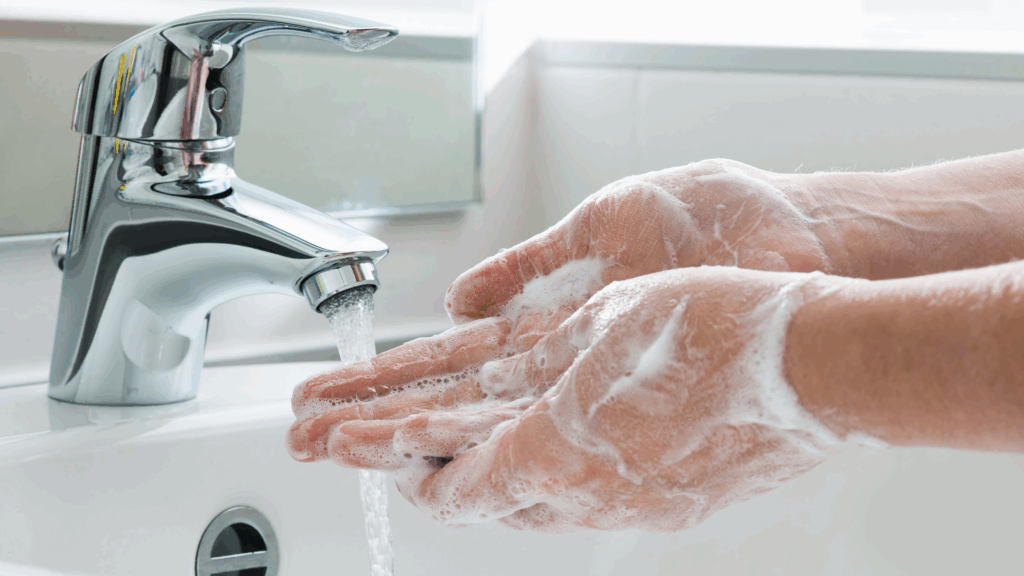
- Wash your hands frequently – use soap, water and/or hand sanitiser before you eat, after you’ve used the bathroom, and after handling money which can carry unpleasant bacteria.
- Avoid touching your face – this reduces the chances of accidentally moving bacteria or pathogens from hands to your mouth.
- Use clean utensils – all your plates, knives, forks, cups, etc. should be washed in hot, soapy water or purified water and then dried before using.
Consider Preventative Measures
- Talk to your doctor before you travel – visiting a travel clinic 6-8 weeks before you go and then taking vaccines such as the oral cholera vaccine, hepatitis A and B, typhoid, etc., all of which are infections that can be transmitted in contaminated water or food.
- Probiotics – while the evidence in favour of probiotics remains somewhat mixed, there’s no suggestion that probiotics may be harmful and some studies suggest that they may reduce the severity or duration of Bali Belly by promoting better gut health.
- Pack medications – having things like oral rehydration drinks, anti-diarrheal medicines (such as loperamide), and pain relievers on hand can make managing Bali Belly much easier.
Be Mindful Of Local Conditions

- Avoid swimming in potentially contaminated water – rivers and lakes are great places to get Bali Belly (makes a change from consuming contaminated food, right?), and it’s best to stick to well-maintained swimming pools.
- Check for outbreaks of specific pathogens – check the local health authority website for any news before you travel. Community outbreaks can somewhat increase the risk of Bali Belly.
Treatments For Bali Belly

If you do find yourself facing a case of the Bali Belly, don’t panic. Most cases are mild and will resolve themselves pretty quickly with the proper care. Here’s how to manage those symptoms effectively:
Stay Hydrated

Dehydration is your most serious risk when you have Bali Belly due to fluid loss from both diarrhea and vomiting. You must replace lost salts as well as water. To rehydrate effectively:
- Oral Rehydration Solutions (ORS) – use pre-packaged ORS salts from the pharmacy or make your own (1/2 tsp of salt, 6 tsps of sugar, and 1 litre of water). These will replace lost salts and fluid.
- Sip fluids – drink bottled water, coconut water or clear broths and do so slowly so that you don’t overwhelm your stomach.
- Avoid dehydrating drinks – your Bali Belly will not thank you for alcohol, caffeine or sugary sodas, and these can worsen your levels of dehydration too.
Eat Bland Food

A gentle diet aids stomach recovery:
- BRAT Diet – Bananas, Rice, Apples and Toast. These foods are all very easy on your digestive system, unlike, say, green leafy vegetables and will help to firm up your stools.
- Avoid irritants – no spicy foods, no oily foods, no dairy foods, and avoid most raw vegetables and most fruit except those mentioned above. Raw foods are a bad idea in general while you’re overseas.
- Gradual Reintroduction – once your symptoms seem under control, you can slowly reintroduce other foods to avoid shocking your system.
Use-Over-The-Counter Medications

- Anti-diarrheals – Loperamide (brand name: Immodium) is excellent for reducing the severity of stomach cramps and diarrhea. But don’t overdo it as it can make it harder for your upset stomach to expel all the pathogens properly.
- Attapulgite, Kaolin, Activated Charcoal – there’s not much in the way of evidence for the effectiveness of these treatments, though some people do swear by them all the same.
- Pain relief – Paracetamol and Ibuprofen can help to alleviate stomach cramps or a fever, but it’s a good idea to talk to a doctor if these symptoms persist.
- Anti-nausea medications – drugs like ondansetron can help with nausea, but you may need a prescription if you want to use this with your traveller’s diarrhoea.
Rest

Rest is absolutely crucial for recovery from any illness, including Bali Belly. Avoid strenuous activity and give your body some time to properly fight the infection.
Seek Medical Advice When Appropriate
Most cases of Bali Belly will resolve themselves pretty quickly if you follow the steps above, but you should see a doctor if:
- Your symptoms last for more than 3-5 days
- You have a high fever that is over 38.5 degrees Celsius or 101 degrees Fahrenheit
- You experience bloody stools or severe abdominal pains
- You have strong signs of severe dehydration – dark urine, dizziness, dry mouth
- You have underlying health conditions or a weakened immune system
Most clinics in Bali have the facility to run stool tests (you must provide a stool sample, but with the Bali Bell,y this isn’t usually a problem) to identify the specific problem you are facing.
They may then prescribe antibiotics or provide IV fluids.
Natural Remedies
We are not promoting natural remedies, but we should note that some travellers swear that they find the following helpful in combating Bali Belly. We would also note that there’s no evidence for this:
- Acupressure/Acupuncture – pressure on the P6 point of the wrist is said to help reduce nausea
- Ginger/Peppermint Tea – both are said to soothe the stomach; however, if they seem to make things worse, don’t keep drinking them.
- Probiotics – they might restore gut flora and promote wellness, but they are unlikely to cure Bali Belly, but they may help.
Is Bali Belly Contagious?

Is Bali Belly contagious? It certainly can be, particularly if your Bali Belly is caused by viruses or bacteria.
Pathogens can be spread through:
- Poor hand hygiene, such as after using the bathroom
- Touching shared surfaces like door handles or taps
- Sharing food, drink, or utensils with an infected person
- Food preparation by someone with the illness can lead to eating contaminated food
So make sure to wash hands thoroughly, don’t share your food and drinks and disinfect the surfaces you touch if you’re sick. Similarly, if you’re caring for someone who has Bali Belly, it’s best to take additional hygiene precautions.
Bali Belly In The Context Of Asian Travel
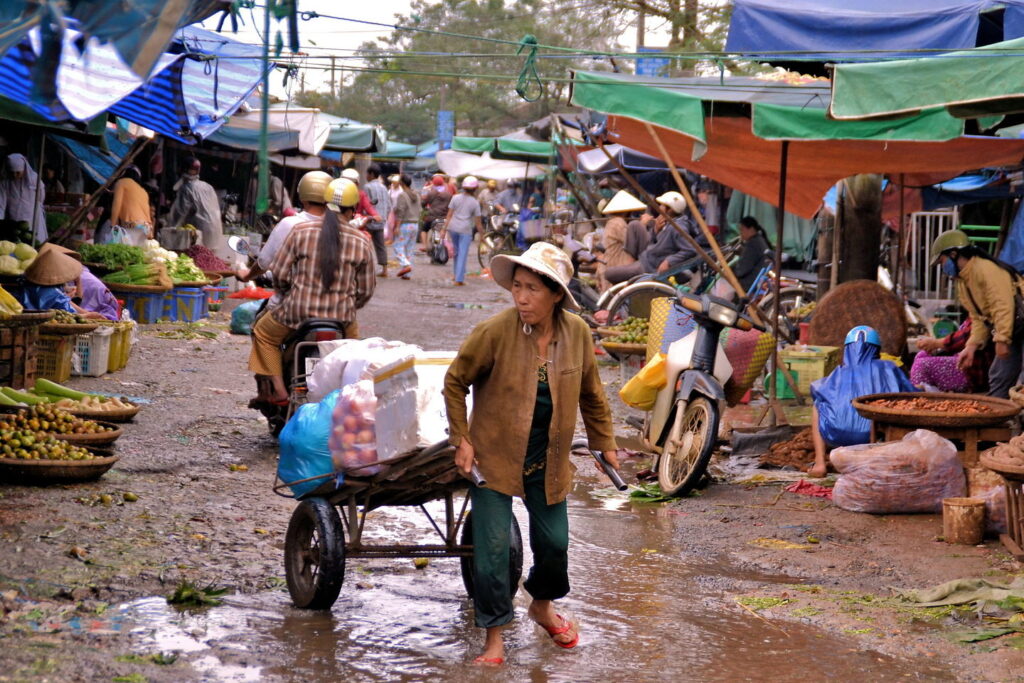
The name “Bali Belly” is misleading. Traveller’s diarrhoea is, in fact, a risk all across Asia. You can find it in places as diverse as Thailand, Vietnam, Cambodia, India, China, Turkey and Malaysia.
The prevalence of the condition in these places is around 20-50% and it can be much higher risk in places with poor sanitation conditions.
The same precautions as those listed above apply wherever you travel in Asia. We’d urge you to be especially cautious in rural areas and places that are severely affected by Monsoon Rains, when water contamination can easily occur.
Additional Tips For A Healthy Trip To Bali
- Get travel insurance – if you have comprehensive travel insurance to cover medical expenses, your bout with even the most severe Bali Belly will not incur financial pain as well as physical pain.
- Pack a health kit – having rehydration salts, anti-diarrhea medication, a thermometer and hand sanitiser on hand can be super useful.
- Research local clinics – make sure to find somewhere like BIMC Hospital with a good reputation. It’s not hard to treat Bali Belly, but it’s better when it’s done by top professionals.
- Stay informed – make sure to check travel advisories regarding any specific health risks before you travel.
- Acclimatise gradually – ease into local food to avoid food poisoning and a general upset stomach. Don’t rush into rich, spicy foods.
Cultural And Culinary Considerations

Bali has amazing local cuisine such as Nasi Goreng, Babi Guling and Sate Ayam, and the food here is a highlight for many travellers.
However, the tropical climate and traditional cooking methods can increase the risk of contamination. For example, food that sits in a glass case in the window of a warung for hours might attract flies.
To enjoy Balinese food safely, we recommend:
- Choosing freshly cooked dishes that are served piping hot
- Avoiding buffets or pre-prepared foods unless you are certain they are from a reputable source
- Trying local fruits like bananas and mangoes, and peeling them yourself to avoid any possible contamination
It’s easy to embrace Balinese culture without putting your health at risk. Savour the island’s flavours but do it in a way to minimise any worries you might have.
When To Seek Professional Help

While most cases of Bali Belly are self-limited, don’t hesitate to seek medical help if your symptoms escalate or you feel the need to.
Clinics in Bali are very experienced in treating Bali Belly and can provide bespoke care for you. The hospitals and clinics often offer call-out services and English-speaking staff to assist with your care.
Make sure to bring travel insurance to keep the costs of treatment down.
FAQs
Why Does Everyone Get Bali Belly?
They don’t, but because Bali Belly can be contagious, it can feel like everyone gets it at times. If you follow the tips in the article above here, you will find that you can dramatically reduce the odds of getting sick on your holiday.
Does Coke Help Bali Belly?
As far as we are aware, there are no specific benefits of Coca-Cola in fighting Bali Belly. If you are not referring to the canned drink but rather to a narcotic, we should note that not only will it not help with your Bali Belly, but it could land you in jail here or with a death sentence.
Bali is not a place for illegal drugs.
What Are The Long-Term Effects Of Bali Belly?
Unless you are seriously ill, there should be no real long-term effects of Bali Belly. However, if your symptoms were the result of mild food poisoning from local friendly bacteria, then the odds are pretty good that you won’t get that form of the illness again.
However, as there are many different ways to catch traveller’s diarrhoea, we should note that this doesn’t mean you won’t get Bali Belly again in the future, just not that version of it.
Final Thoughts On Bali Belly And Enjoying Bali With Confidence
Bali Belly can be an unwelcome guest on your holiday, but with a little effort, it’s easy to prevent most causes and to treat the few that do slip through the net.
Armed with the information above, you should easily be able to approach your trip with confidence and know that you’re prepared to handle Bali Belly. Safe travels and enjoy your adventure on this island paradise!