
Bali is one of the best holiday destinations in the world, but there are challenges that you may have to face during your time on the Island of the Gods.
Will you need travel insurance? Can you get decent medical treatment? Is Bali Belly inevitable? How do you bargain at local markets without annoying people? Can you drink tap water? Can you play with stray dogs?
Our guide covers everything from health precautions to personal safety to cultural etiquette to environmental awareness. By following our tips, you’ll be ready to handle the common challenges that people face in Bali and really enjoy your time in this paradise on Earth.
Health And Medical Precautions
Stay Hydrated And Protect Yourself From The Sun
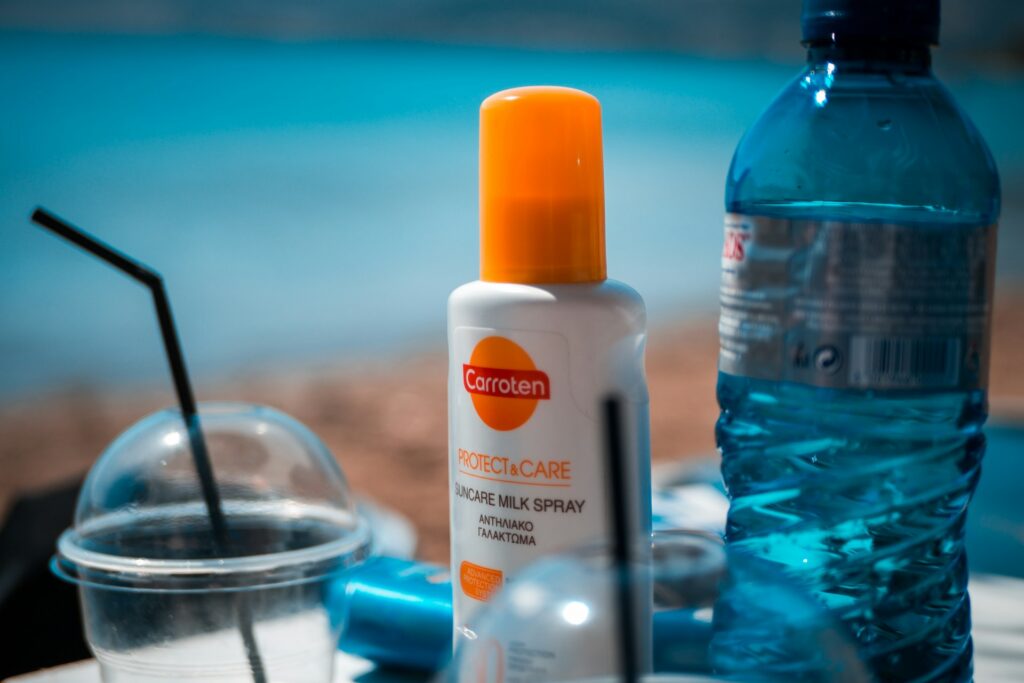
Bali’s tropical climate is hot and humid all year long. Temperatures can easily exceed 30 degrees Celsius in the heat of the day, and dehydration, heat stroke and sunburn can be real issues for travellers, particularly for those unused to being in the tropics
- Tip: Drink plenty of bottled or filtered water to ensure you are hydrated. Never drink the tap water, it’s not safe if you want to avoid Bali belly. We recommend carrying a reusable water bottle with you and getting free refills in local restaurants and your hotel.
- Sun Protection: It’s not optional, it’s essential. Use a high-SPF sunscreen (SPF 50 or above), wear a wide-brimmed sunhat and use UV-protective sunglasses. Keep reapplying sunscreen regularly, especially if you swim or sweat.
- Pro-Tip: Bring reef-safe, eco-friendly sunscreen. There are enough environmental challenges facing the marine environment already; there’s no need to add to them.
Vaccinations And Health Preparations

Before coming to Bali, go and see your doctor or a travel clinic about 6-8 weeks before you undertake any air travel.
- Recommended Vaccinations: Your medical professional will guide you through what you actually need for your trip. Hepatitis A and B, typhoid, tetanus, polio and diphtheria are the usual things before you explore Bali. But rabies and Japanese encephalitis can come in handy if you’re going to spend a lot of time in rural areas or stay on the island for a long time.
- Mosquito-borne Illnesses: Dengue Fever is a big risk in Bali, Malaria much less so unless you are going to be extremely rural during the wet season (November to March). Use mosquito repellent with DEET and wear long sleeves and pants around dawn and dusk. In rural areas, use a mosquito net to sleep under.
- Travel Insurance: Some people say that if you can’t afford travel insurance, then you can’t afford to travel. But we simply strongly recommend travel insurance that covers most medical emergencies and evacuation if needed. Denpasar and Kuta have good medical facilities, but serious issues may require you to travel to Australia or Singapore for treatment.
Food And Water Safety
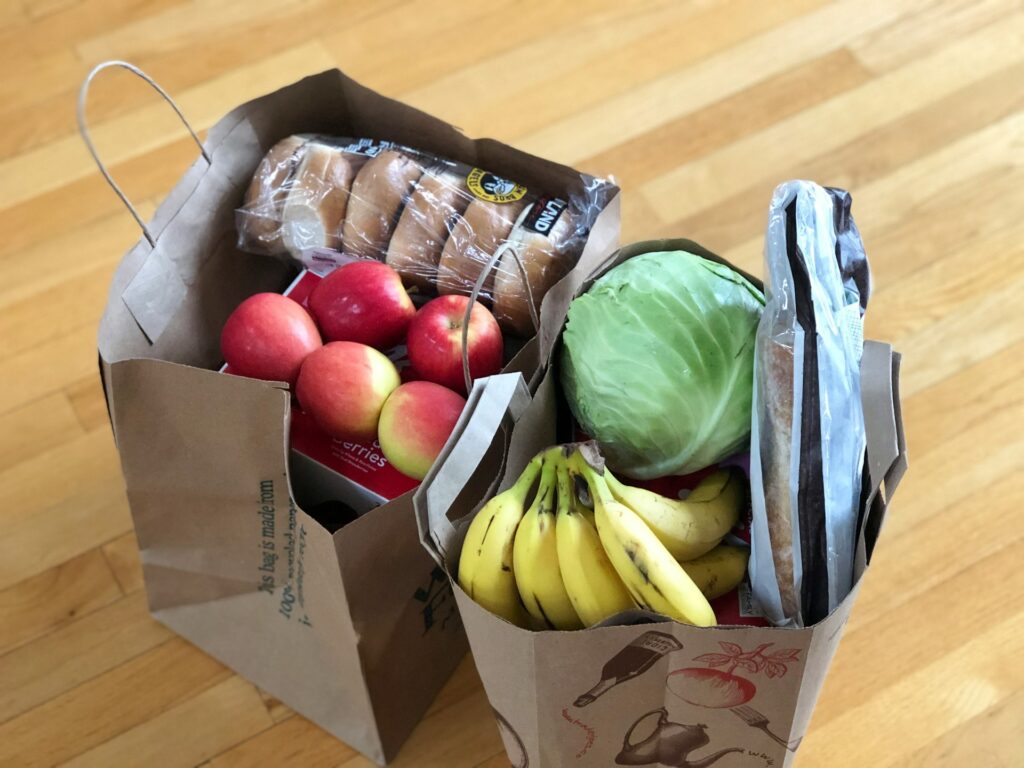
The culinary scene here in Bali is a highlight for most visitors, but food and water safety require caution to avoid travellers’ diarrhoea.
- Tip: Stick to freshly cooked meals and always avoid raw or undercooked foods, especially street food from vendors where the hygiene practices are unknown. Dishes like nasi goreng and sata ayam are generally safe to eat.
- Water Safety: Only drink bottled, sealed water or water that you are certain has been properly filtered. Even boiled water is not ideal, as boiling doesn’t eliminate the chemical contaminants in the water supply here.
- Pro-Tips: Carry some hand sanitiser and use it before eating, particularly in small warungs without good bathroom facilities.
Personal Safety Tips
Road Safety And Transportation
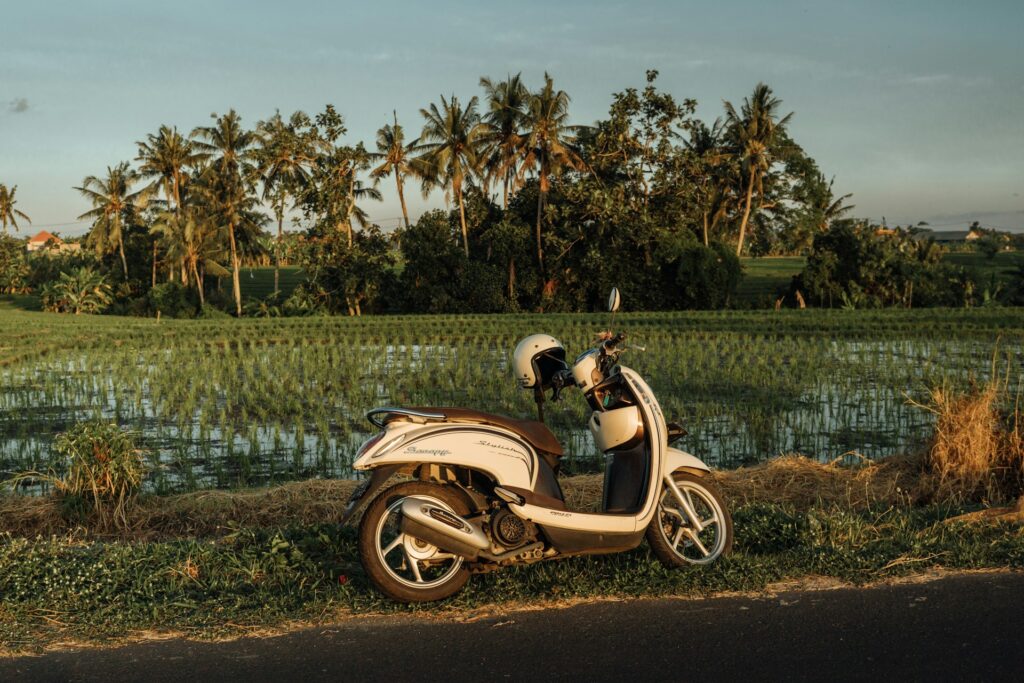
The roads here are chaotic, with heavy traffic, narrow lanes, a mix of motorbikes, cars and pedestrians. Road safety should be everyone’s top priority, but it all too often isn’t, leading to tragic consequences.
- When Walking: Try to stick to pavements where there are any, always look both ways before you cross the street. Watch out for bikes on pavements and other pedestrian areas, particularly in busy tourist areas.
- Renting A Scooter: We urge you not to do this. But if you must, ensure you have a current driver’s license with a motorbike endorsement and a current International Driver’s Permit; without them, your insurance is worthless. You must also wear a helmet and be alcohol-free to claim on insurance.
- Public Transport and Ride-Sharing: There is very little public transport in Bali, and most people use the ride shares Grab or Gojek when they need to go somewhere. Don’t flag down or use taxi drivers you meet in the street. If you must use a taxi, download the Bluebird app and use that.
- Pro-Tip: Downloading maps that can be used offline on Google Maps or Maps.me can be super handy on Bali’s winding roads where GPS signals can disappear for long stretches at a time.
Avoiding Petty Crime
Bali is mainly pretty safe, and violent crime is almost unheard of. However, petty crime is a risk, particularly pickpocketing and bag snatching in tourist areas.
- Tip: Keep your valuables secured in the hotel safe or on your person in a money belt or a zipped cross-body bag. Avoid flashing expensive items such as jewellery, cameras, phones, etc. around market stalls or in nightlife areas. Your Bali trip can be free of theft if you follow these few tips.
- Hotel Safety: Use the safe for passports, cash and other valuables. If you stay in a villa, Airbnb, etc., then ensure all the doors and windows are locked whenever you’re not in the room.
- Pro-Tip: Make and keep digital copies of your passport, visa, travel insurance, etc. and store them on your phone, computer and in the cloud to ensure that you can always access them.
- Avoid Tourist Scams: Read up on authorised money changers and other tourist scams that can dupe unsuspecting tourists.
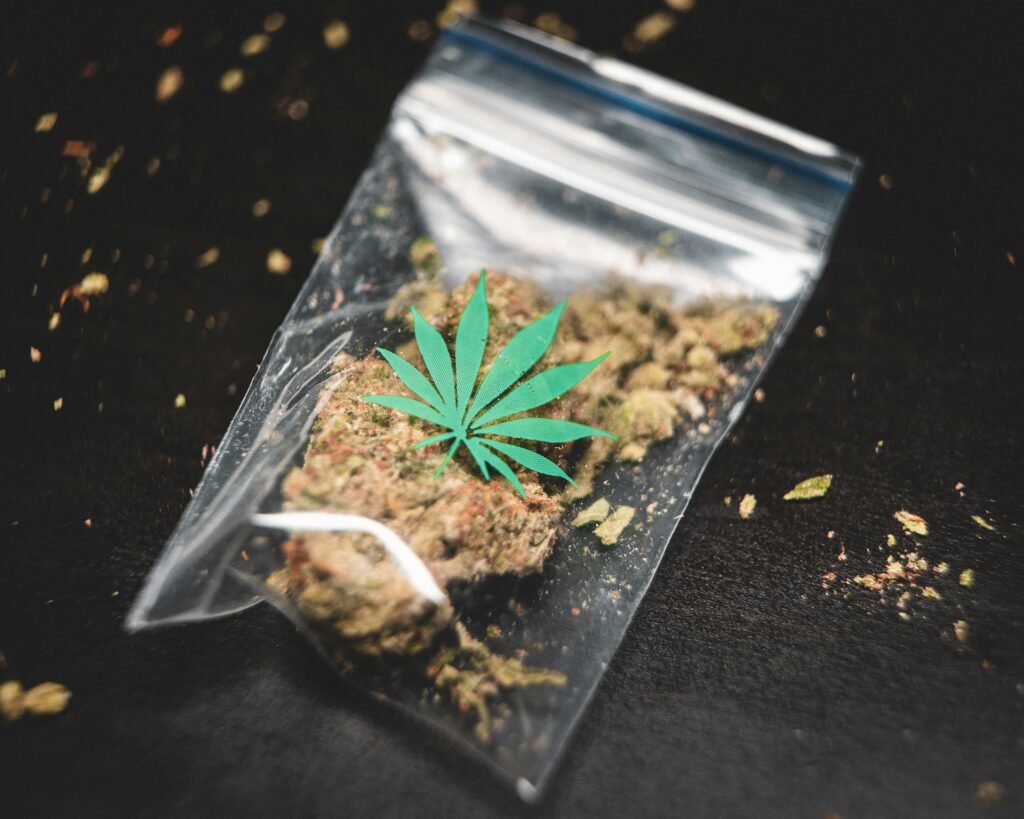
- Bali Drugs: Drug offences are treated very seriously in Indonesian law, and even possession of relatively small amounts can merit the death penalty. Indonesia is not a good place for drugs.
Nightlife Safety
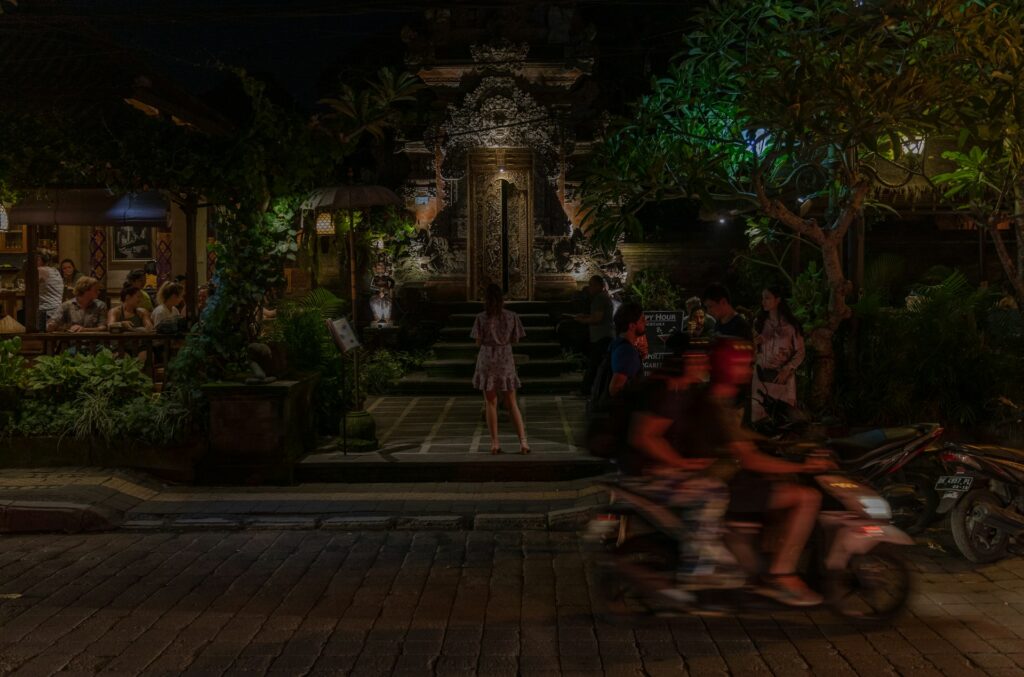
Bali has some of the best nightlife of anywhere on the planet, but it can pose risks too:
- Tip: Drink responsibly and don’t leave your drinks unattended to ensure nobody tampers with them. Stick to reputable places like FINNS Beach Club and avoid homemade alcohol and arak cocktails.
- Travel In Groups: It’s best to hit the night with friends or fellow travellers, especially late in the evening. Arrange transport in advance and don’t wander around alone in unfamiliar places late at night.
- Pro-Tip: Use Grab and Gojek, the ride-sharing apps, to get home safely.
Cultural Sensitivity And Etiquette
Bali’s Hindu culture is what defines the island and its people. Respecting the local customs and cultural sites is vital. Being culturally aware can help you avoid unnecessary conflict with local people.
Dress Respectfully

Bali is pretty chilled out about what people wear, but in temples and in rural areas, being modest is a good call.
- Tip: In temples, always wear the sarong and sash provided at the entrance. Keep your shoulders and knees covered and don’t wear revealing clothing in villages or at any religious site.
- Pro Tip: Keeping a lightweight scarf or shawl in your daypack means you can always cover up quickly if you need to.
Respect Local Religious Practices
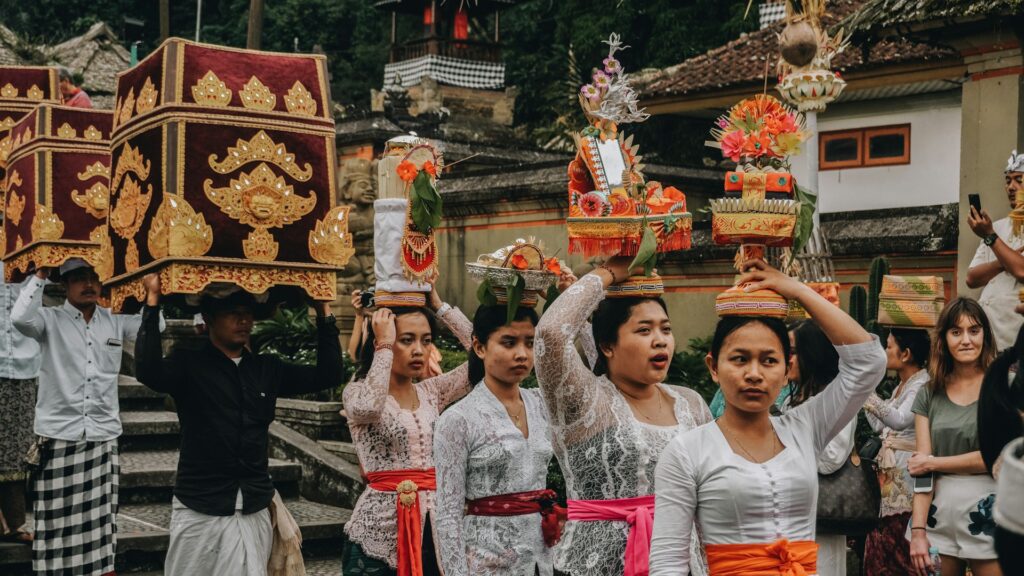
Bali is known for its ceremonies and offerings, which are an integral part of daily life.
- Tip: Don’t touch or step on offerings (known as canang sari), the small baskets you find on sidewalks in front of homes, businesses, etc. If you do encounter a ceremony, try to keep a respectful distance and always ask before you start shooting photographs.
- Pro-Tip: A few basic phrases in Bahasa Indonesia, such as “selamat pagi” (good morning) or Termia Kasih (thank you) can really help you connect with local people and show them respect.
Bargain With Respect
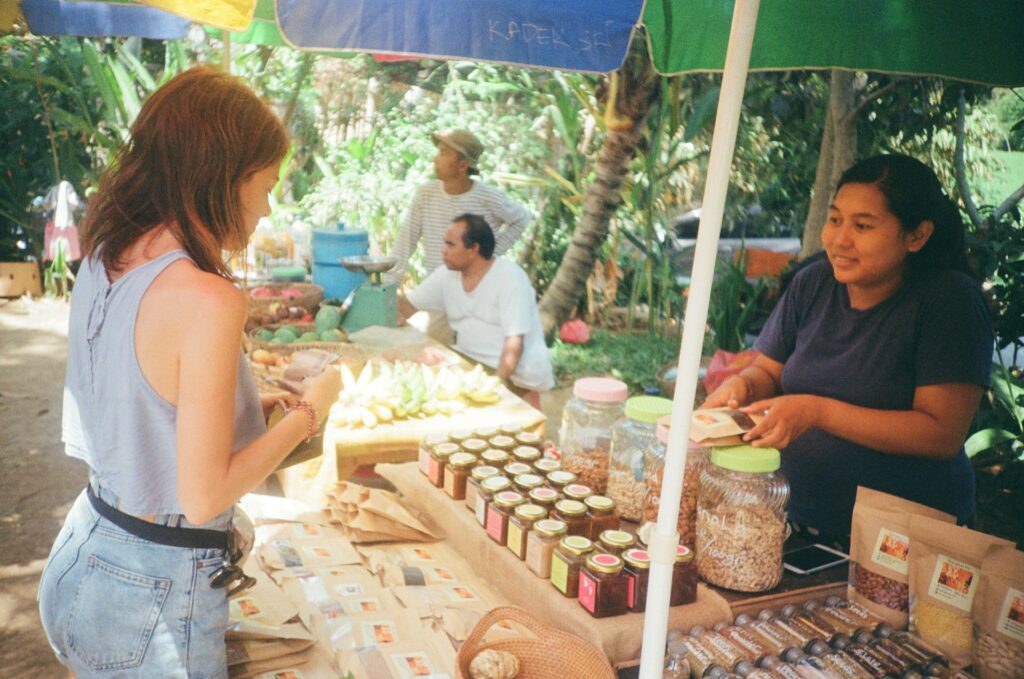
Bargaining or haggling is expected and common at the markets here in Bali, but it should be done respectfully.
- Tip: Start with a friendly smile and offer about 25% of the initial asking price. Then negotiate. If the vendor doesn’t budge, you can walk away, but it’s very rude to haggle and then walk away after you’ve agreed on a price.
- Pro-Tip: Avoid haggling over very small amounts (e.g. 5,000 IDR, which is about $0.30 USD and $0.50 AUD), it just comes across as totally disrespectful.
Environmental And Wildlife Safety
Beach And Water Safety
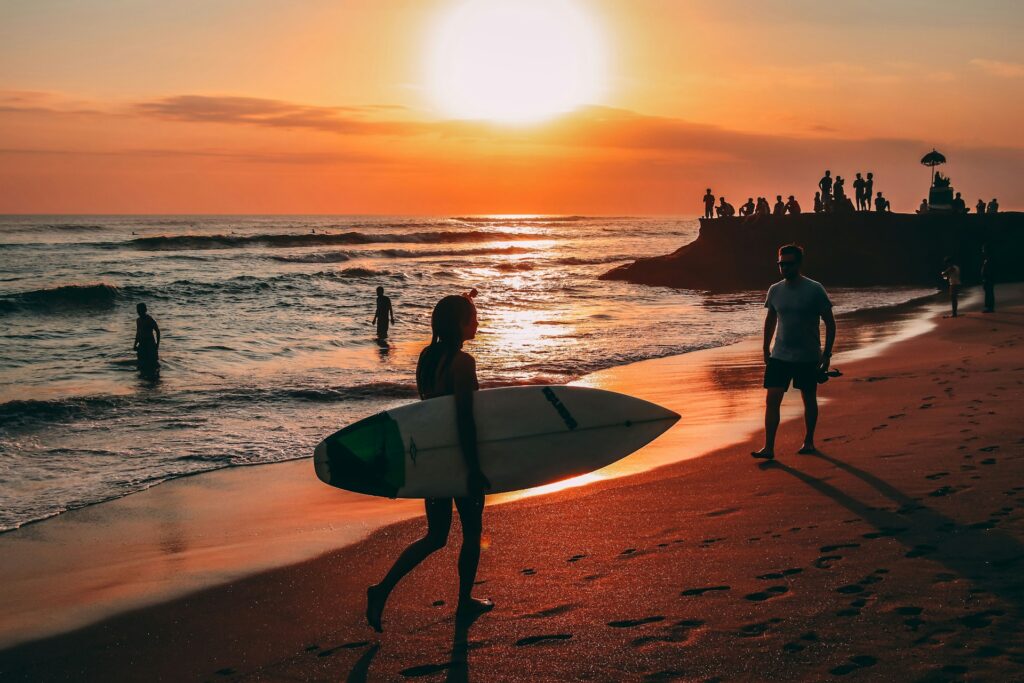
Bali has amazing beaches, but strong currents and riptides can make swimming dangerous, particularly in some of the most popular tourist towns.
- Tip: Swim only at beaches when it’s clear that swimming is OK. Always pay attention to warning flags. Never swim between red flags, and yellow flags indicate that caution is required.
- Surfing: If you’re a new surfer, get some lessons from a reputable surf school and try to avoid crowded breaks where collisions can be common.
- Pro-Tip: Check the local tide charts before you head to the beach, as tides can change quickly and affect swimming conditions.
Wildlife Awareness

There is plenty of diverse wildlife on the island, but some pose risks, such as dogs (particularly strays), monkeys and snakes.
- Monkeys – keep your belongings securely around monkeys because they are notorious thieves and often won’t give back what they steal. Don’t feed monkeys either, it helps to make them aggressive.
- Strays – avoid stray animals in Bali, as they can carry rabies, and a bite requires immediate medical attention from a professional. Rabies vaccination can be very expensive.
- Snakes – snake bites should be seen by a doctor immediately. Try to capture a picture of the snake that bit you, or try to remember what it looked like. There is no universal antivenom; the doctor needs to know which snake bit you.
Environmental Responsibility
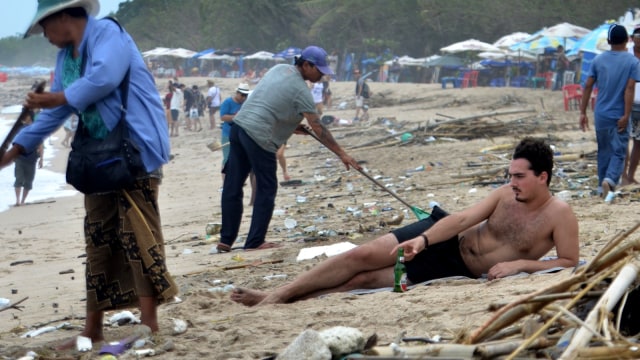
Bali faces many environmental challenges, including plastic pollution and, in some places, over-tourism. You can help to minimise your impact on this:
- Tip: Carry a reusable water bottle and cut out the plastic waste. Support businesses that are eco-friendly, such as FINNS Beach Club.
- Pro-Tip: Get involved in a beach cleanup or support a local conservation initiative to give something back to Bali.
Emergency Preparedness
Know Your Emergency Contact Numbers

Being prepared for an emergency can make all the difference if something goes wrong:
- Emergency Numbers – find them and then save them in your phone before you need them. This should include police, ambulance and your country’s embassy or consulate.
- Medical Facilities – reputable hospital numbers such as the BIMC Hospital in Kuta and Siloam in Denpasar. For minor issues, local clinics and pharmacies can be much cheaper and just as helpful.
- Pro-Tip: Register with your embassy’s travel advisory service before you come to get updates on safety alerts and natural disasters.
Natural Disaster Awareness
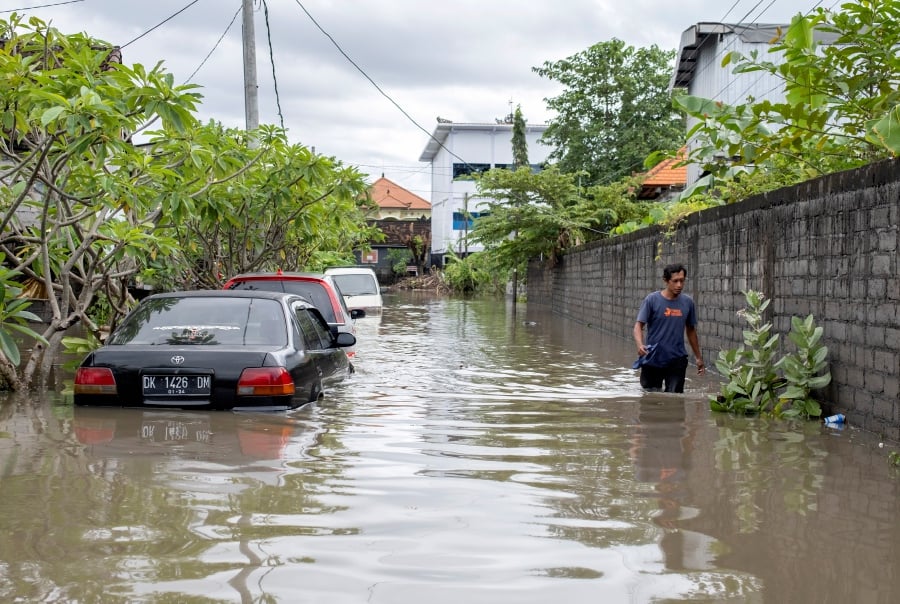
Bali can be prone to natural disasters such as earthquakes, active volcano eruptions (which can disrupt air travel), and flooding (particularly during the rainy season).
- Tip: Familiarise yourself with your accommodation’s evacuation plan and locate your nearest safe zone. If an earthquake occurs, get under a desk or something similar, cover your head and stay until the shaking stops.
- Pro-Tip: Monitor local news or use the BMKG app from Indonesia’s meteorology agency for real-time updates on volcanic activity and weather warnings.
Money And Financial Safety
Currency And Payments
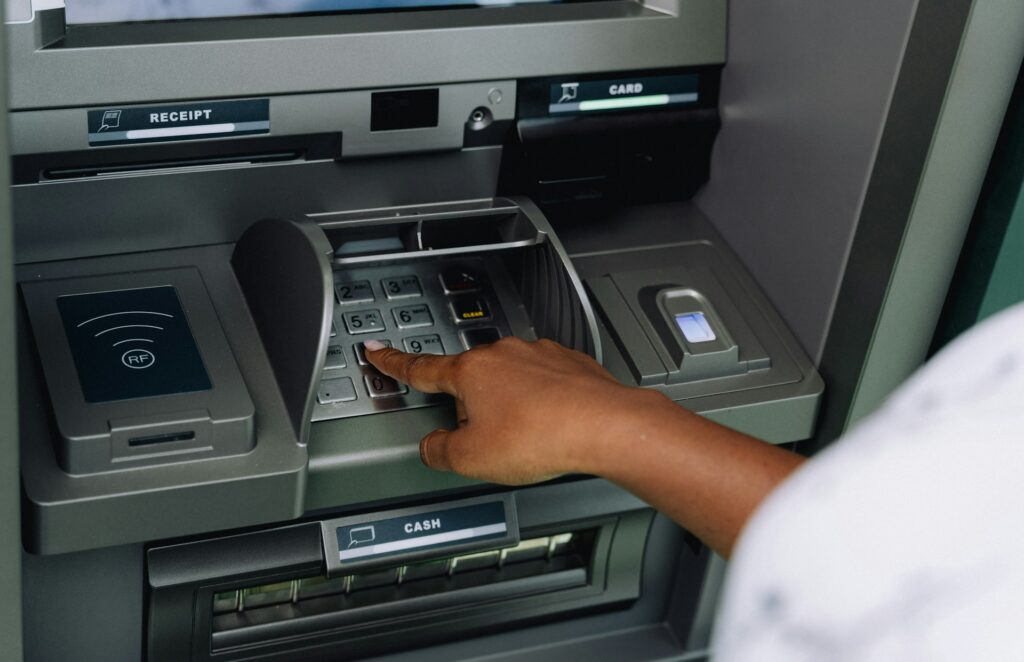
Bali (and Indonesia as a whole) uses the Indonesian Rupiah, which is the only legal currency in the country. While card payments are very common in tourist areas, cash can be king elsewhere.
- Tip: Exchange your money at official money changers or withdraw cash from ATMs in banks or shopping malls. Don’t use street money changers or exposed ATMs where skimming is possible.
- Pro-Tip: Make sure to tell your bank you’re coming to Bali to ensure your cards aren’t blocked and carry small bills for tips and purchases.
Avoiding Scams (Especially At Money Changers)
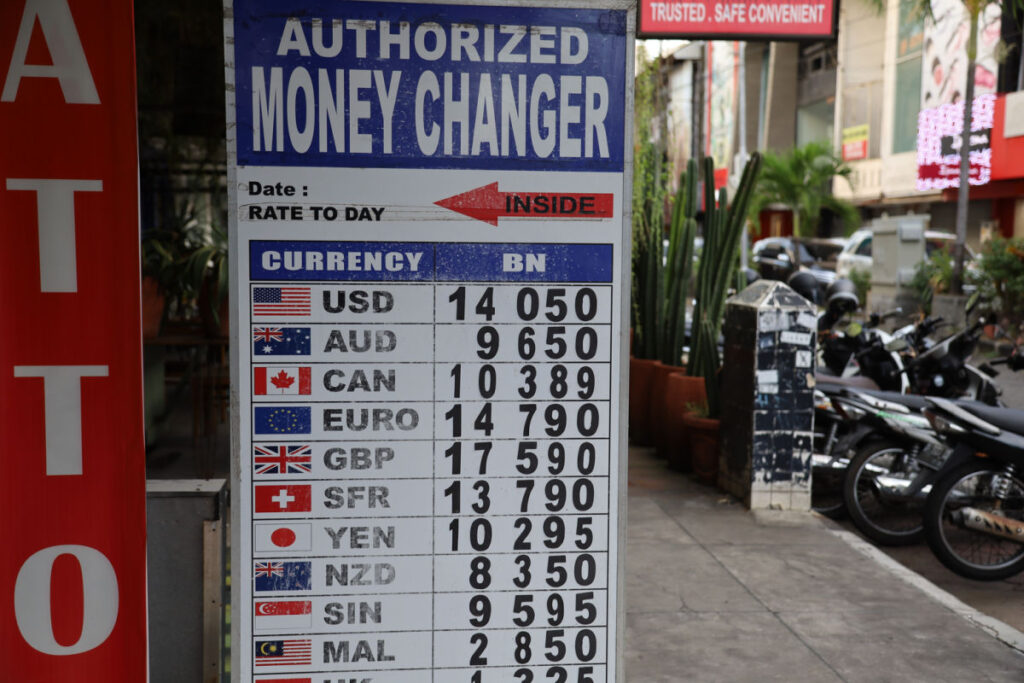
There are a few scams aimed at tourists in Bali, particularly in the busiest areas:
- Common Sense: Avoid any deal that seems too good to be true on tours, rentals or souvenirs. It is too good to be true.
- Tip: Book tours and activities online using reputable and well-reviewed providers. Do your research before you commit to anything.
- Pro-Tip: If someone approaches you with some unsolicited offer, say “no, thank you” and then just walk away.
Staying Connected And Informed
Communication
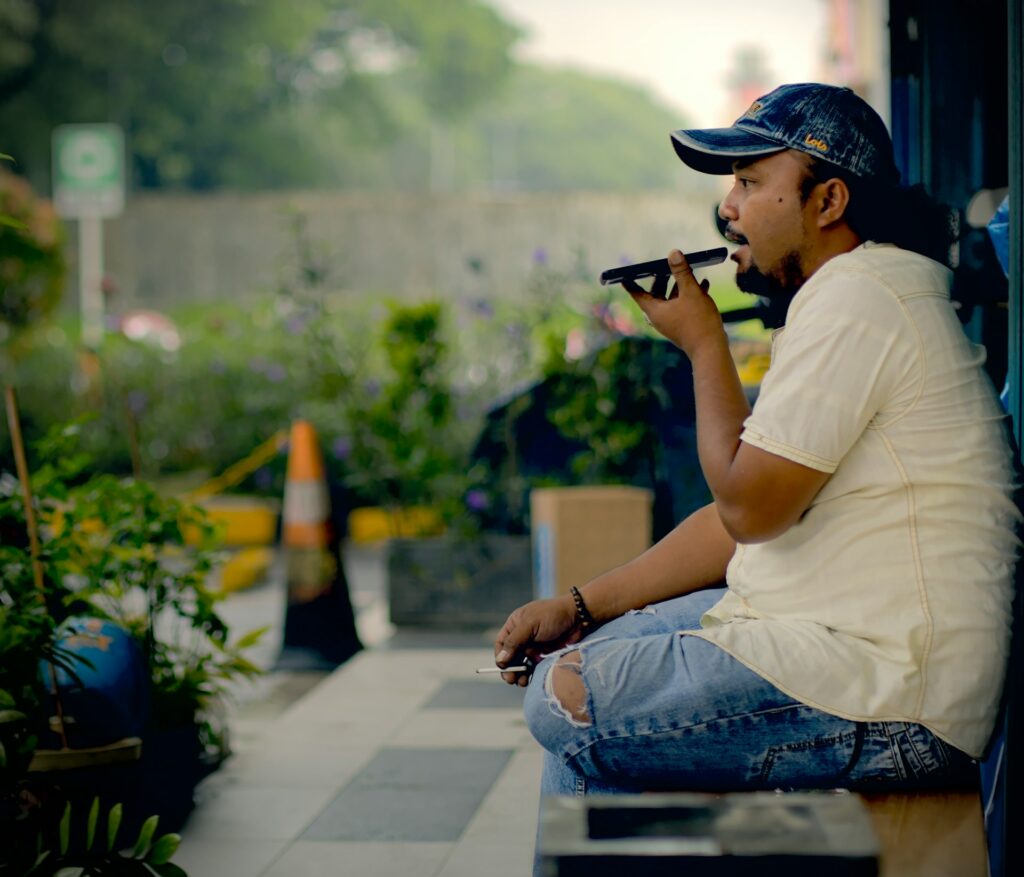
Staying connected on the island is very easy with free Wi-Fi in almost every hotel and restaurant, and cheap SIM cards.
- Tip: Buy a Telkomsel SIM when you arrive and a cheap data plan to use for navigating Bali, communicating and for ride-sharing apps like Grab and Gojek.
- Pro-Tip: Make sure to download WhatsApp as it’s the preferred means of communication in Bali.
Local Knowledge
Understanding the layout of the island and the local culture can really enhance your safety and holiday experience:
- Tip: Research the areas you’re going to visit and know what you can expect. Every area in Bali is different and has its own vibe and safety considerations.
- Pro-Tip: Talk to the local people respectfully and get insider tips on the best places to eat, explore and stay.
Final Thoughts On Bali Safety
The days of wondering “Is Bali safe?” are over. The island is a great place, and while it’s possible to get food poisoning or need medical care for something from a local hospital, most trips to the island are very uneventful.
If you follow our tips above, we’re sure you’ll have an amazing time on the Island of Gods.